
📆 Revision Date:
Group-Only Event Bookings
Use this feature to book events that include sleeping rooms only, without reserving any meeting or event space. This is ideal for:
-
Room blocks for weddings, conferences, or sports teams
-
Corporate travel where no on-site meetings are required
-
Group reservations that do not require event setup or services
When creating a Group-Only Event, you’ll specify the room types, quantities, and stay dates for the group, but you will not need to assign any meeting rooms or event spaces. This simplifies the booking process for lodging-focused events and ensures accurate inventory management within the system.
|
Navigate to Home > Event Management > Actions > Group Only Events |
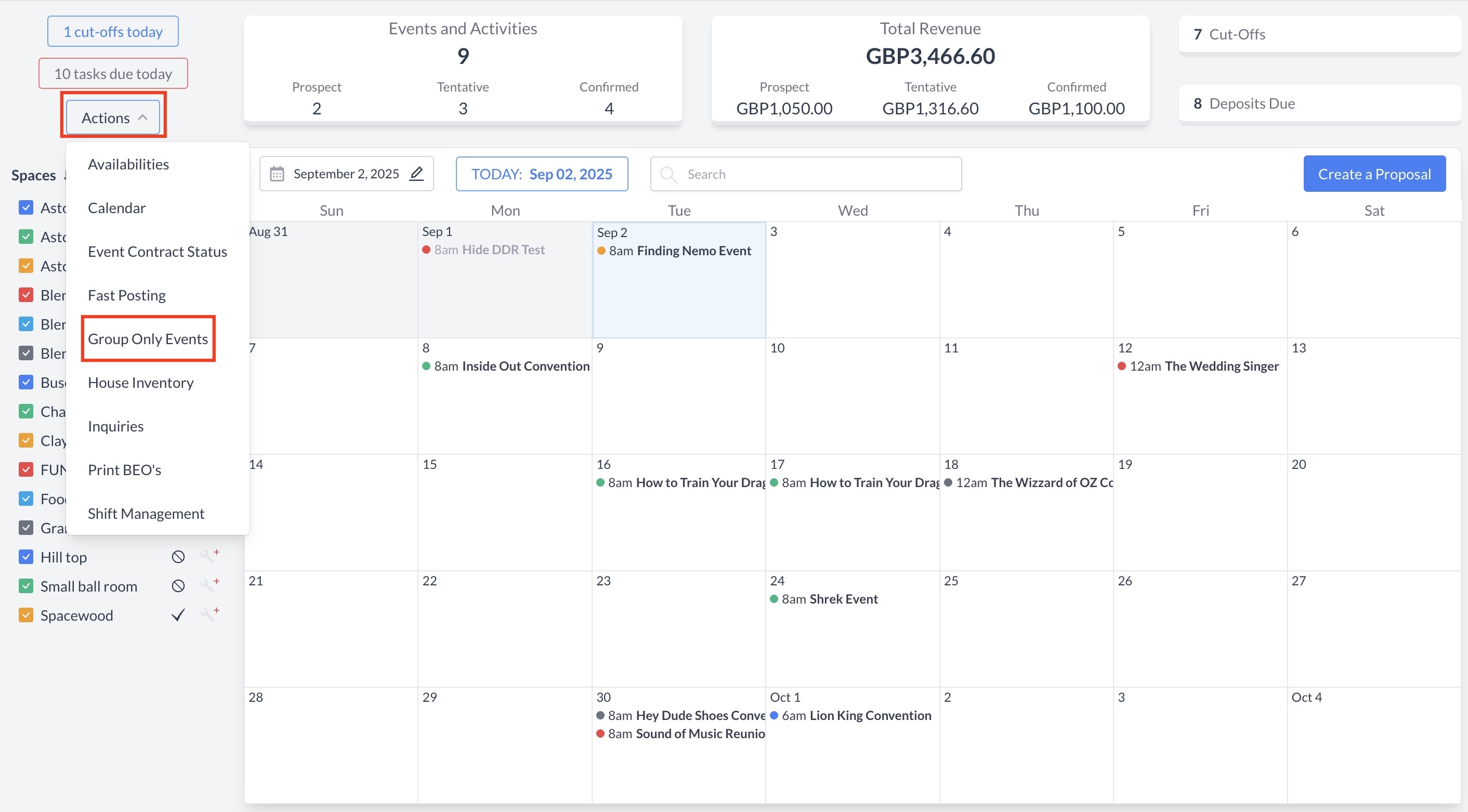
|
|
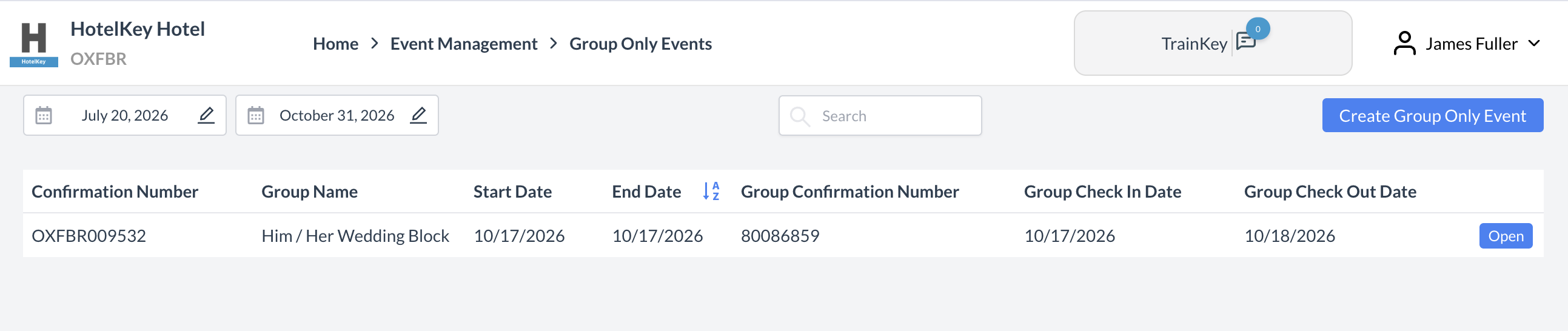
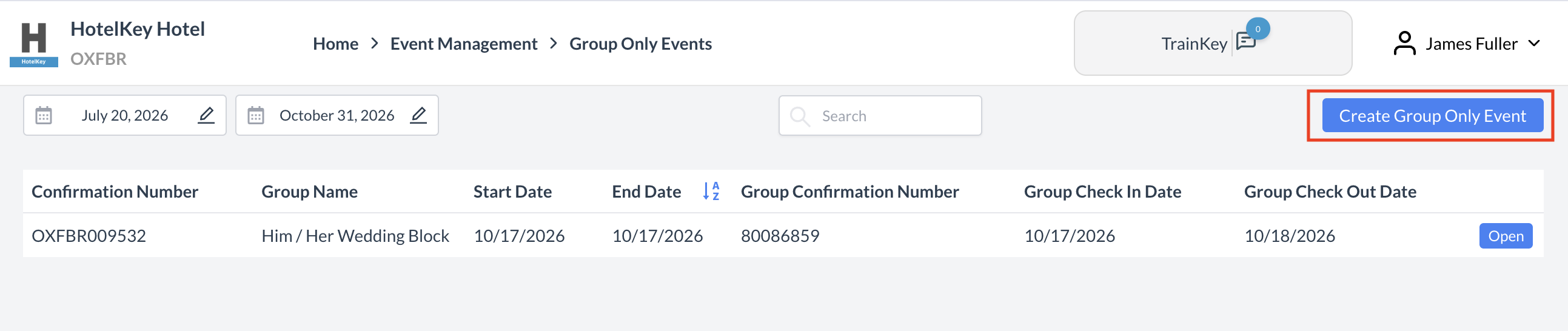
The Group Only Events screen displays all your upcoming group events scheduled within the next two years. On this screen, you will find the following information for each event:
To view the details of a specific group event, click the blue Open button next to the event. |
|
|
There are two primary ways to edit a Group Record (reservation).
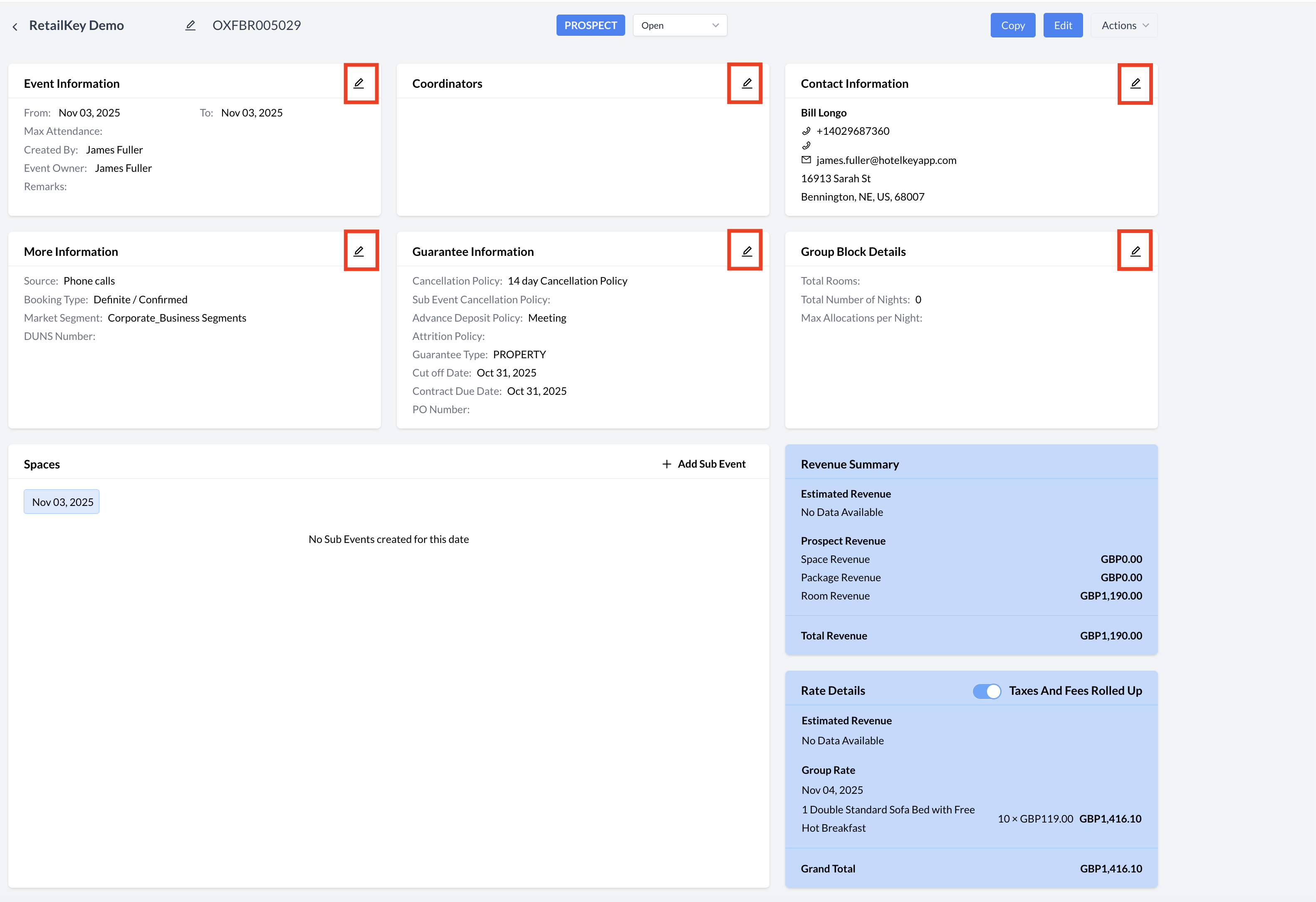
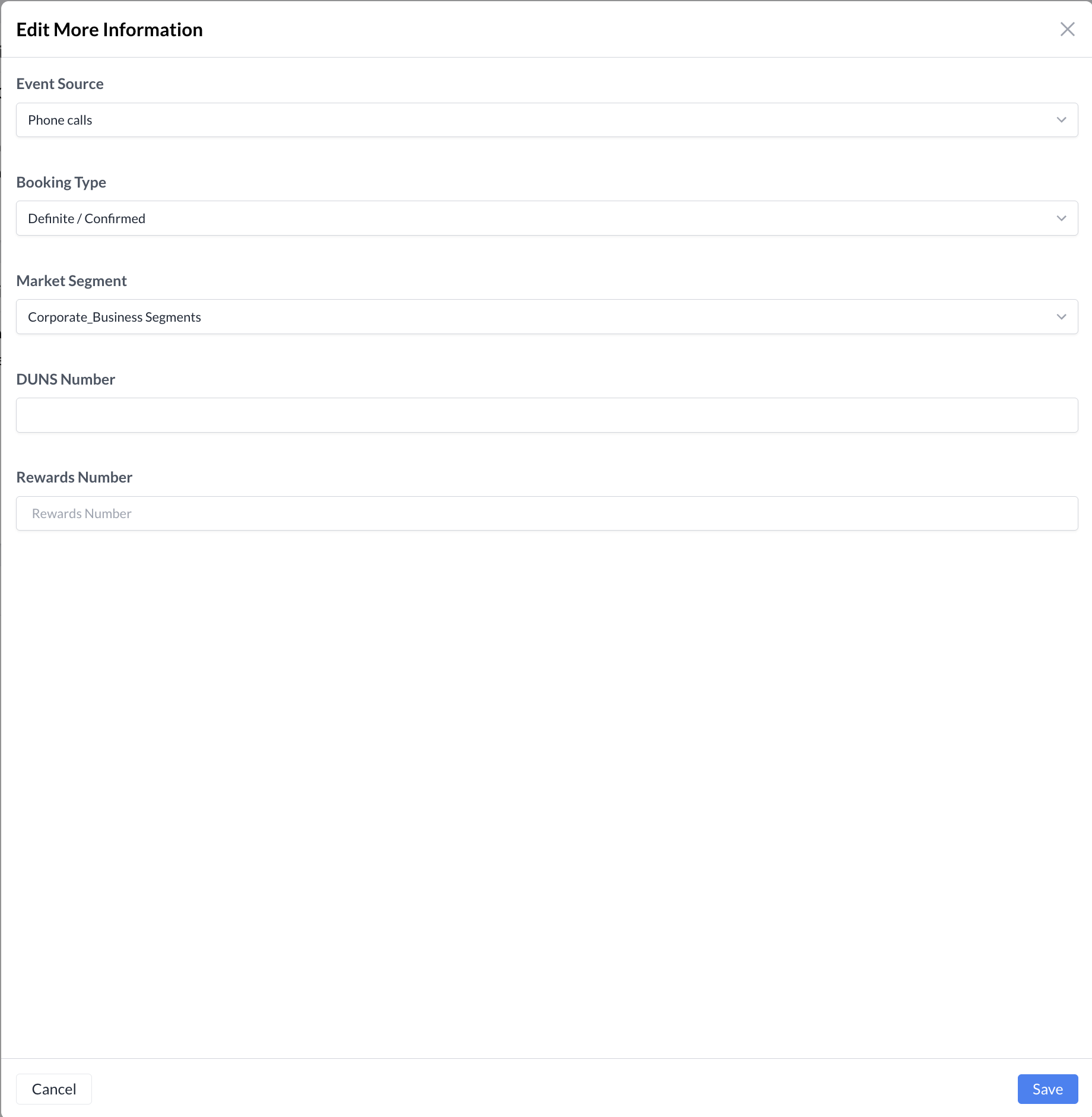
The first method is by using the Quick Edit buttons, which are conveniently located within each section of the Group Record. These buttons allow you to make targeted updates—such as changing the event name, date, time, or other details—without navigating away from the main screen. This method is ideal for making fast, section-specific edits while reviewing the event. When you click the Quick Edit button—such as in the More Information section—a dedicated edit screen will appear. This screen allows you to modify the specific fields within that section of the Group Record. Once you've made the necessary updates, click the blue "Save Changes" button to apply your edits and return to the main Group Record. |
|
|
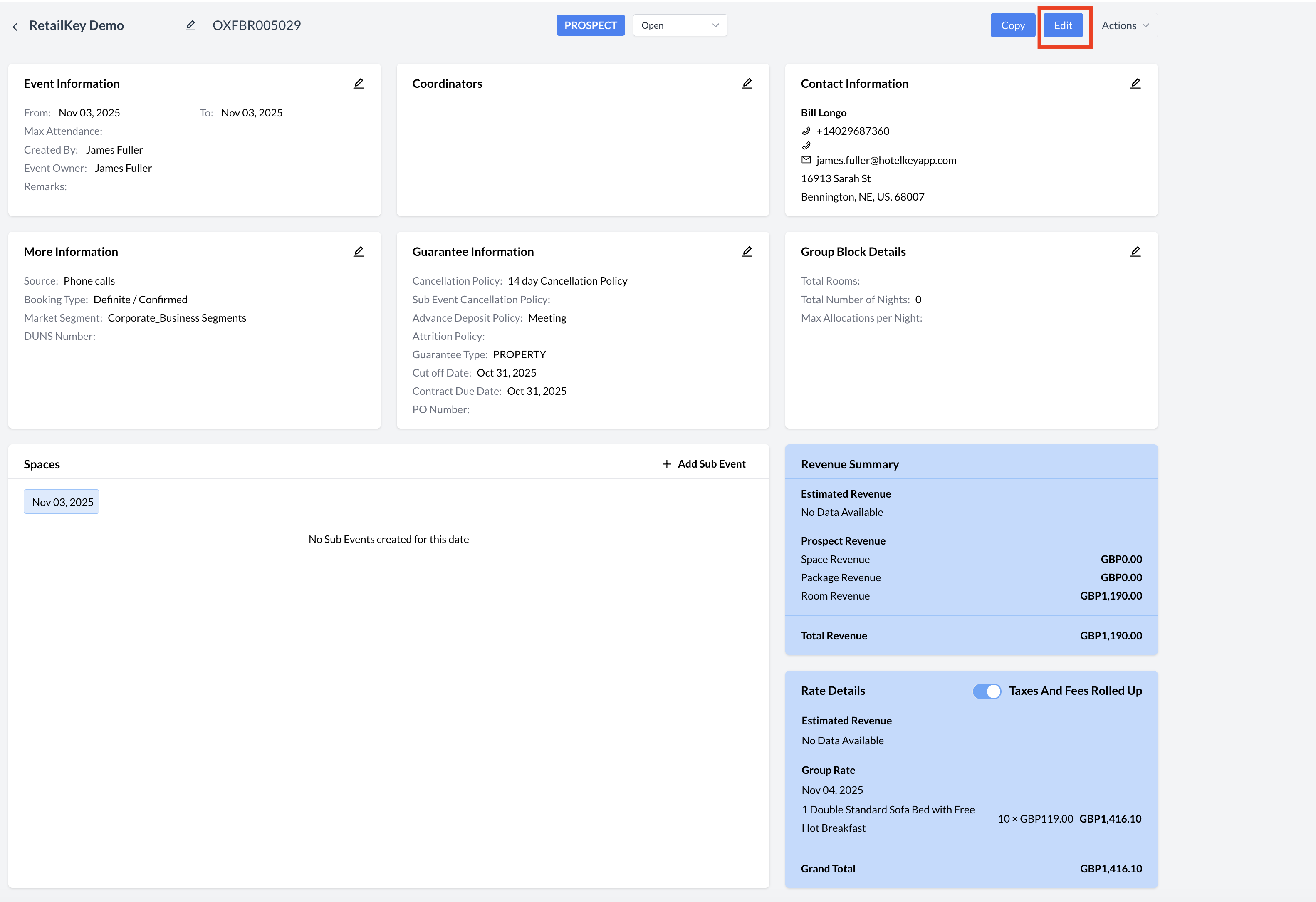
The second way to edit an Event Reservation is by using the Edit Flow, which takes you back into the group only creation process.
⚠️ Important: While in the group creation flow, you must click the blue "Next" button on each step to proceed through the process. At the final step—the Review screen—click the blue "Confirm" button to save your changes. This will complete the editing process and return you to the updated Event Record screen. Important Note:
|
|
|
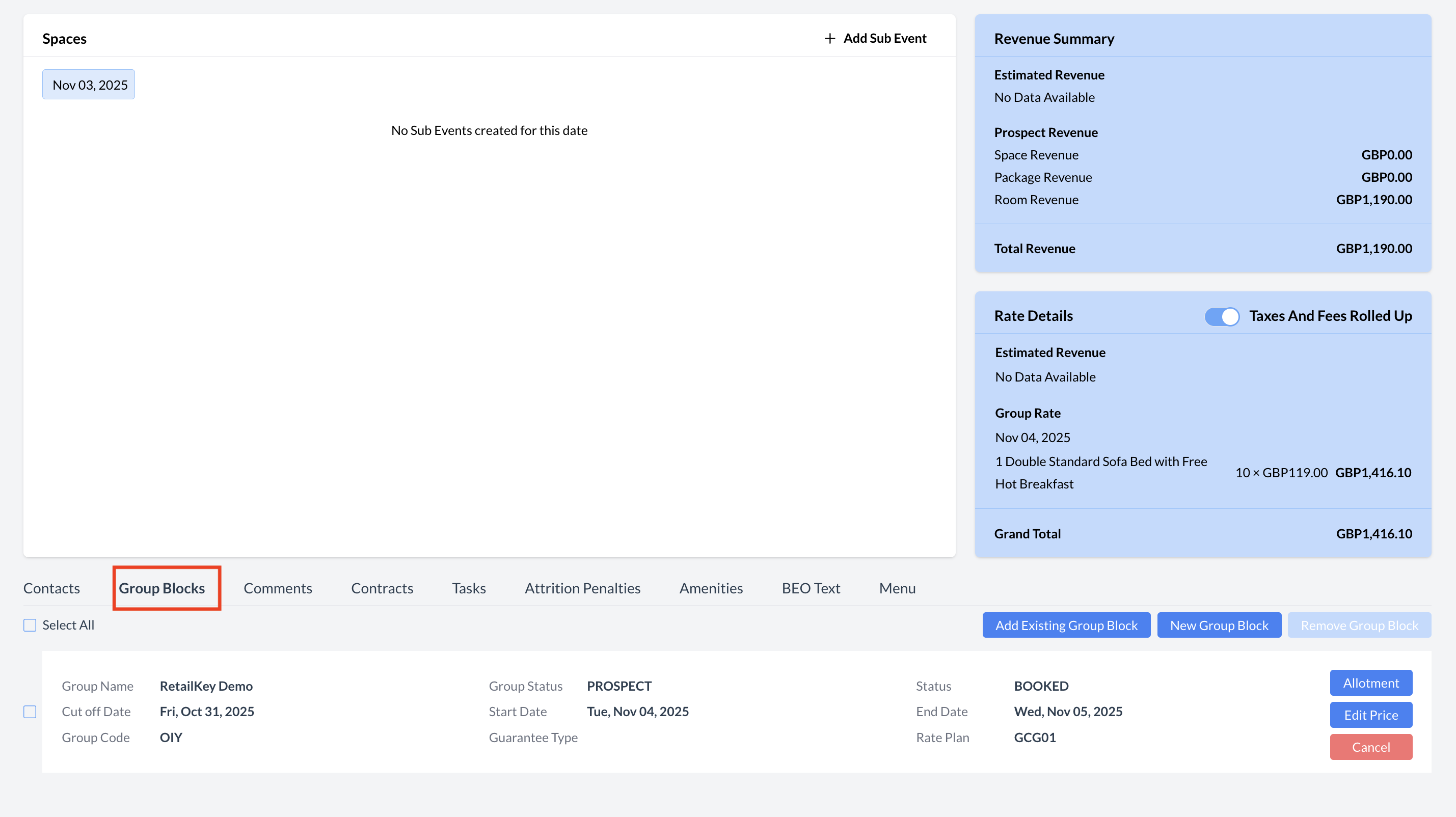
Once a group is created, the Property Management System (PMS) becomes the system of record (or "master") for the group. This means that most group edits must be made directly in the PMS. However, you can still manage Inventory and Pricing for the group within EventKey. 📌 To manage group blocks in EventKey:
Here, you will see the group block information that has been loaded from the PMS. This includes key details such as:
🛠️ From the Group Blocks screen, you can:
|
|
🛏️ Editing Group Block Allotments
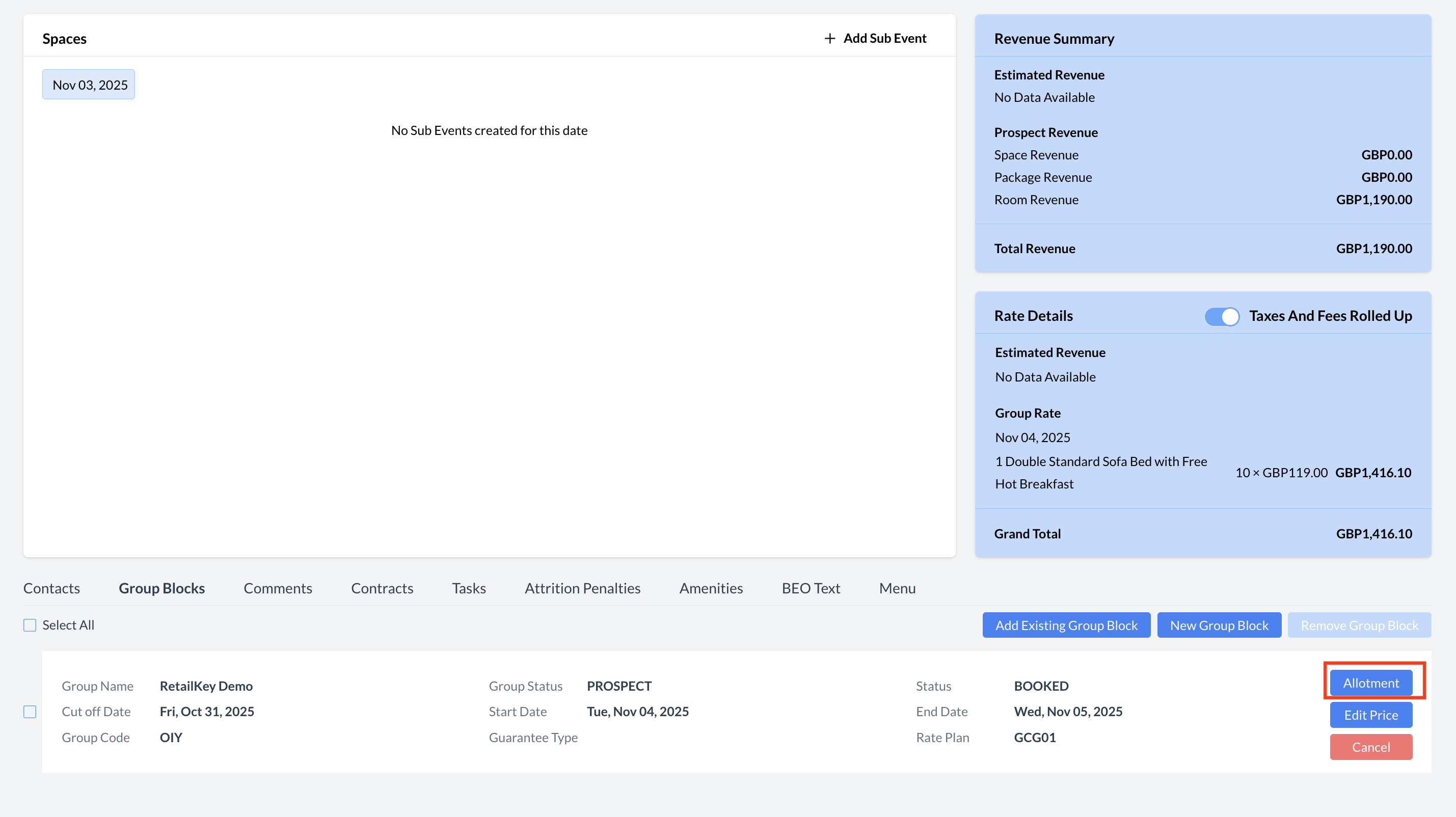
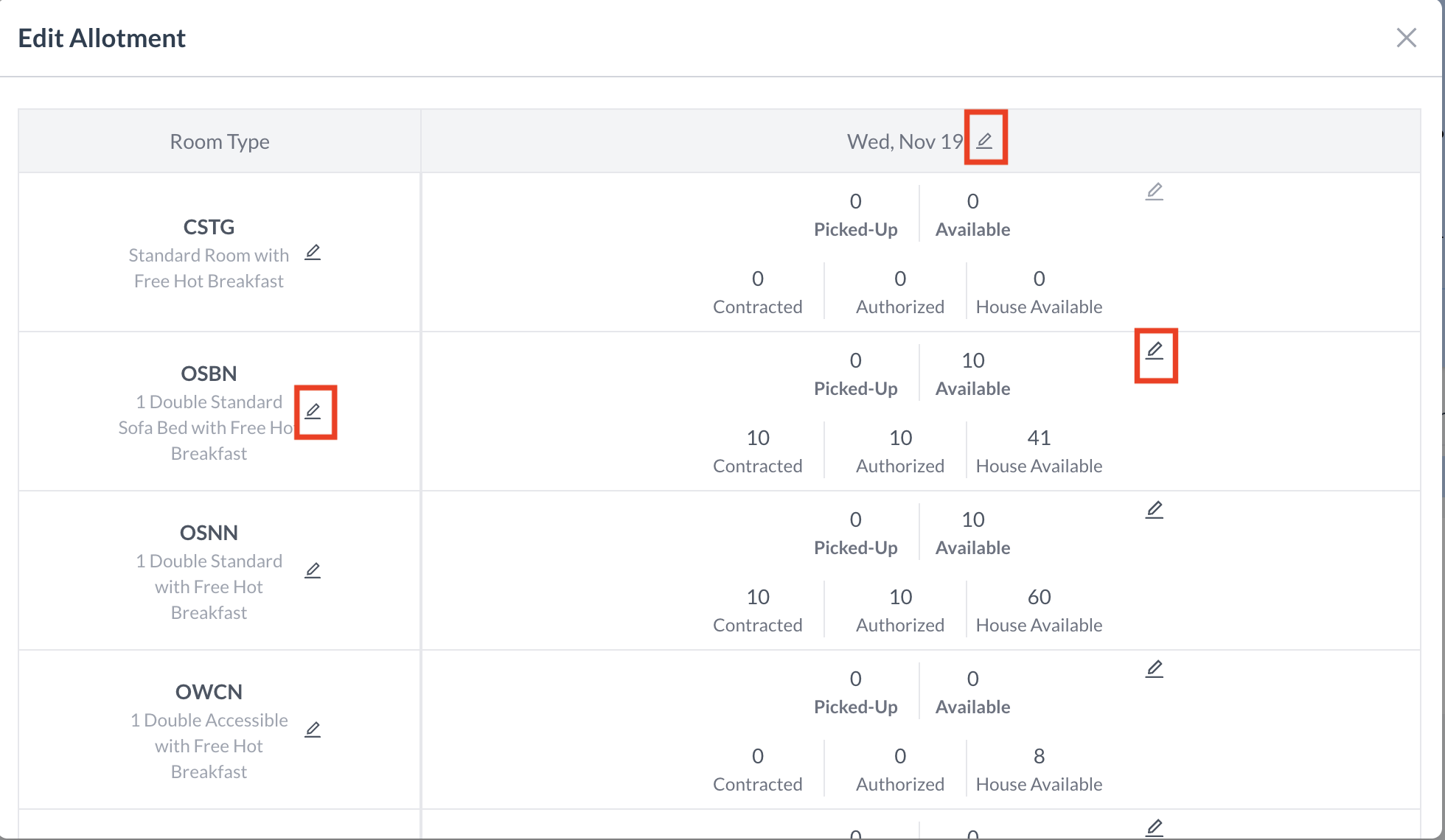
Click the Blue “Allotment” button, the Edit Allotment screen will open, allowing you to update room allocations for the group block. 🔧 Allocation Editing Options
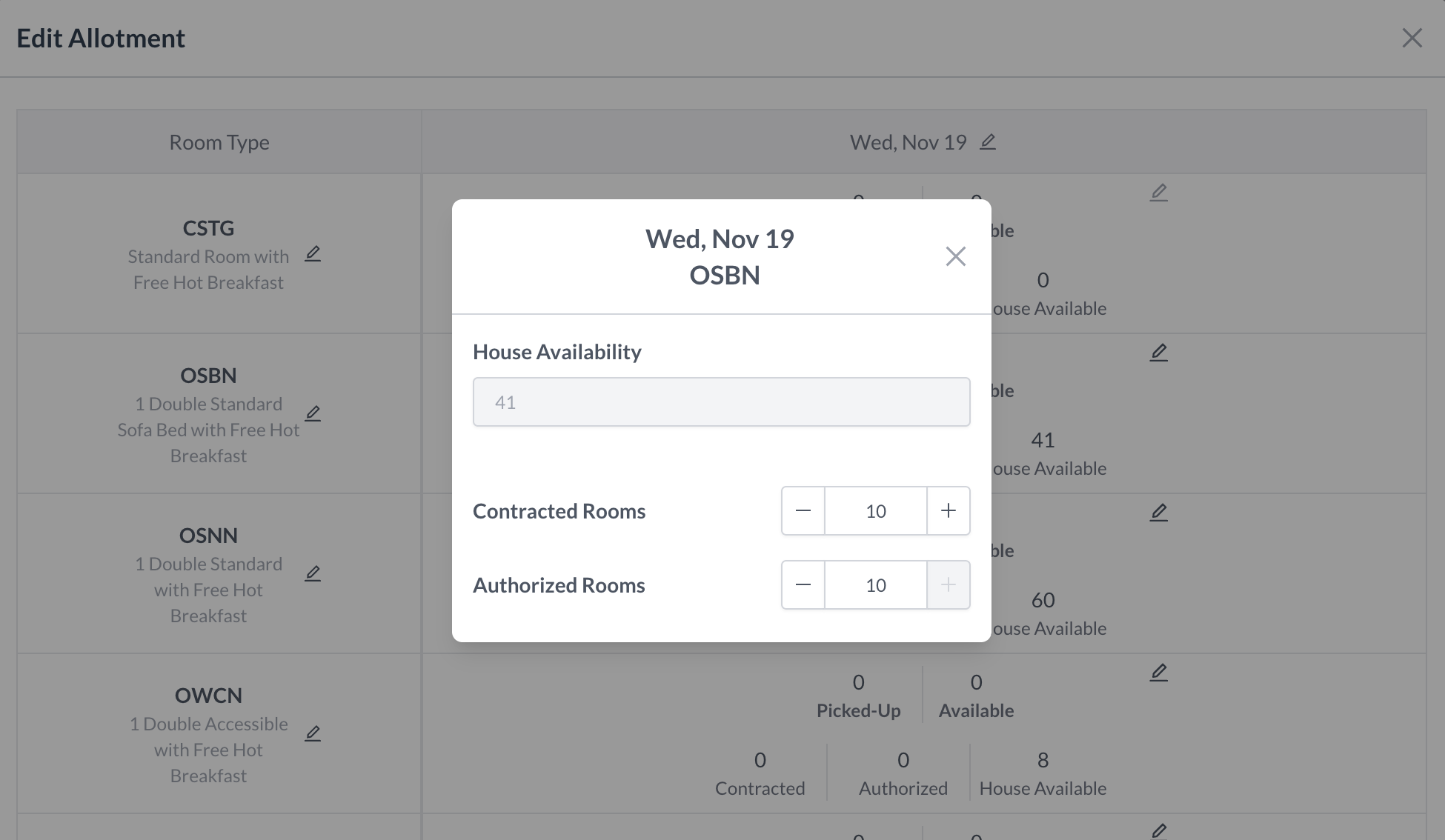
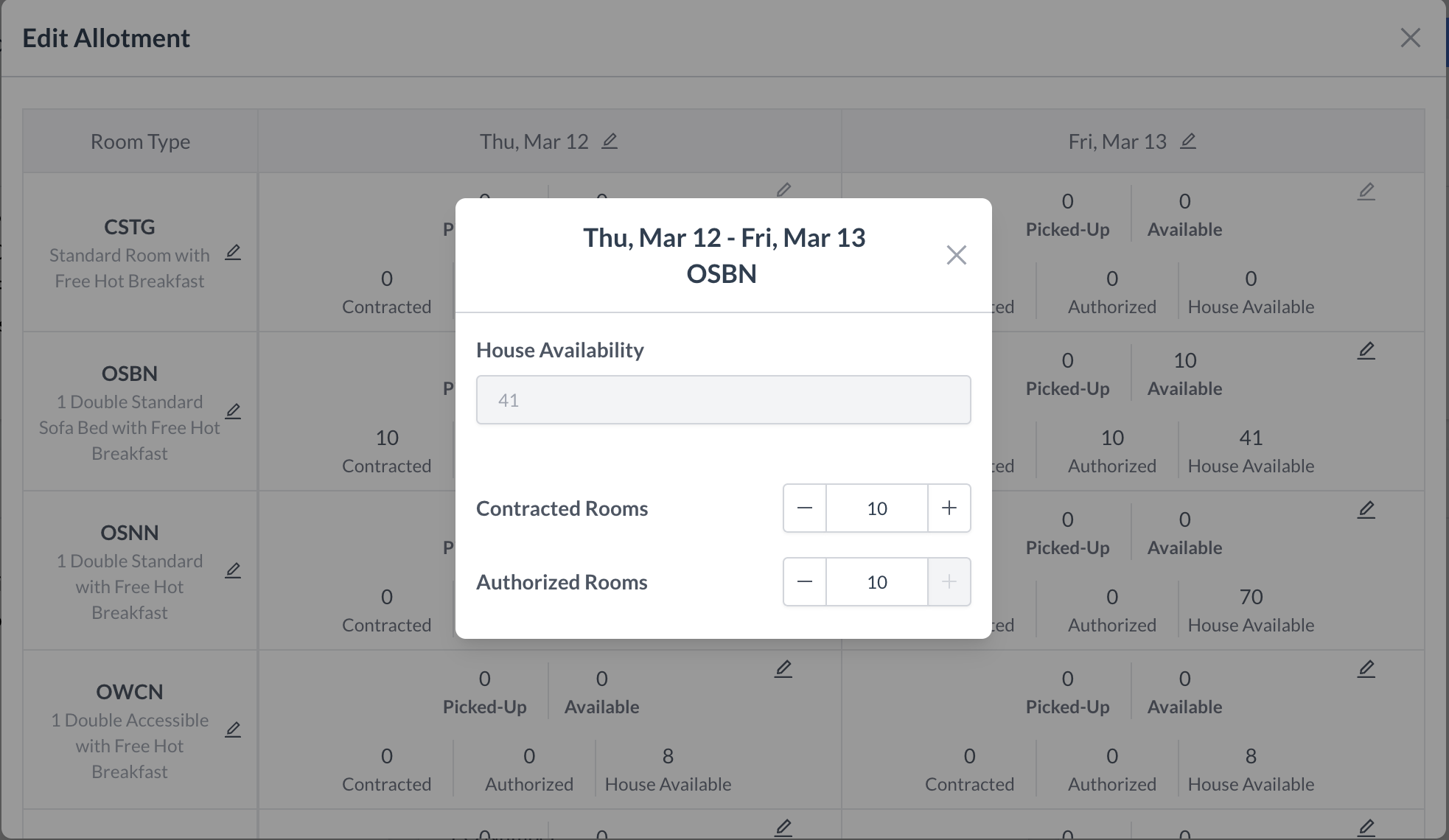
You have three flexible ways to modify room allotments based on your needs: 1. Edit a Single Day for a Specific Room Type
2. Edit All Dates for a Specific Room Type
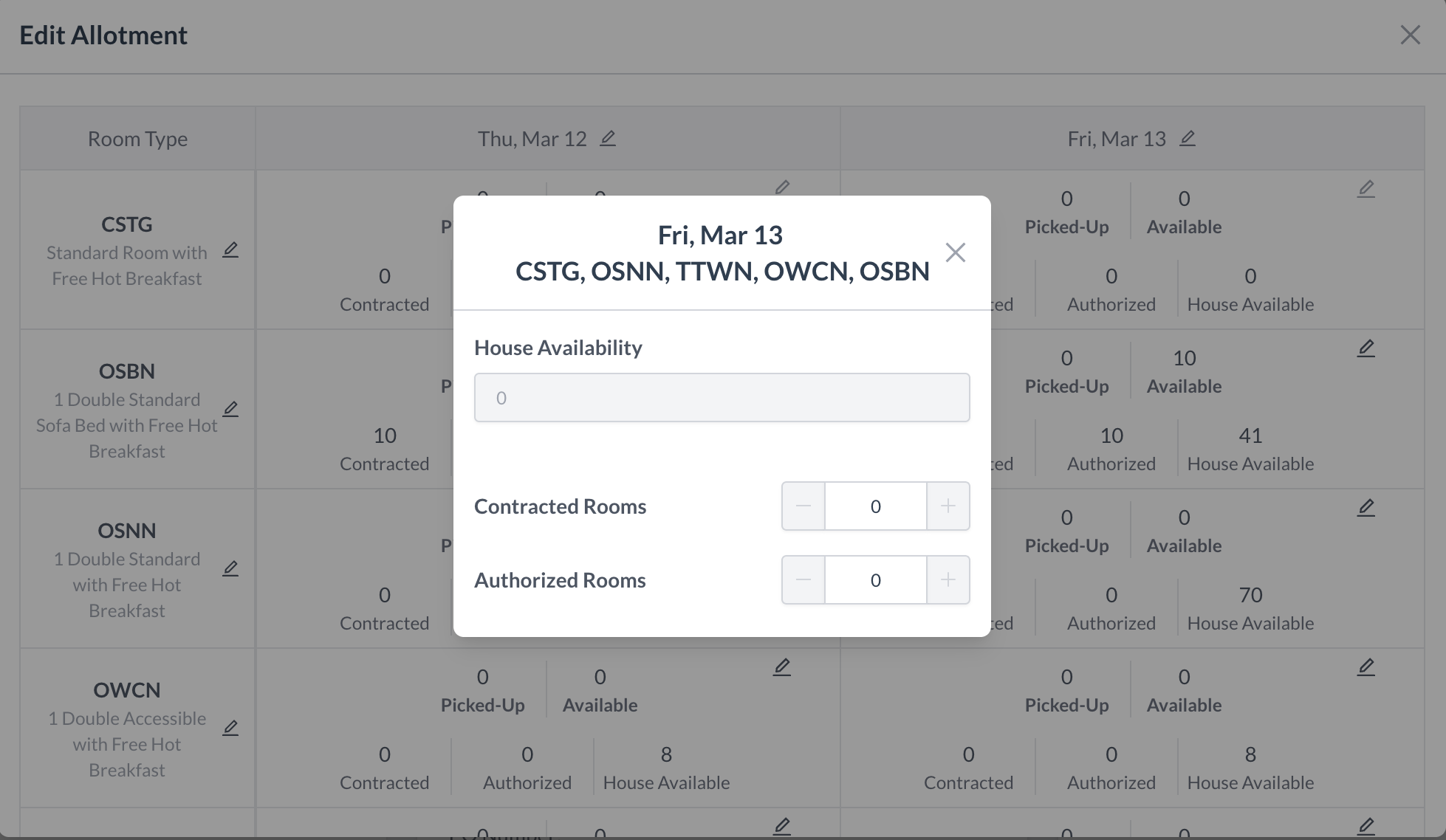
3. Edit All Room Types for a Specific Date
💾 Saving Your Changes
|
|
💲 Editing Room Type Pricing
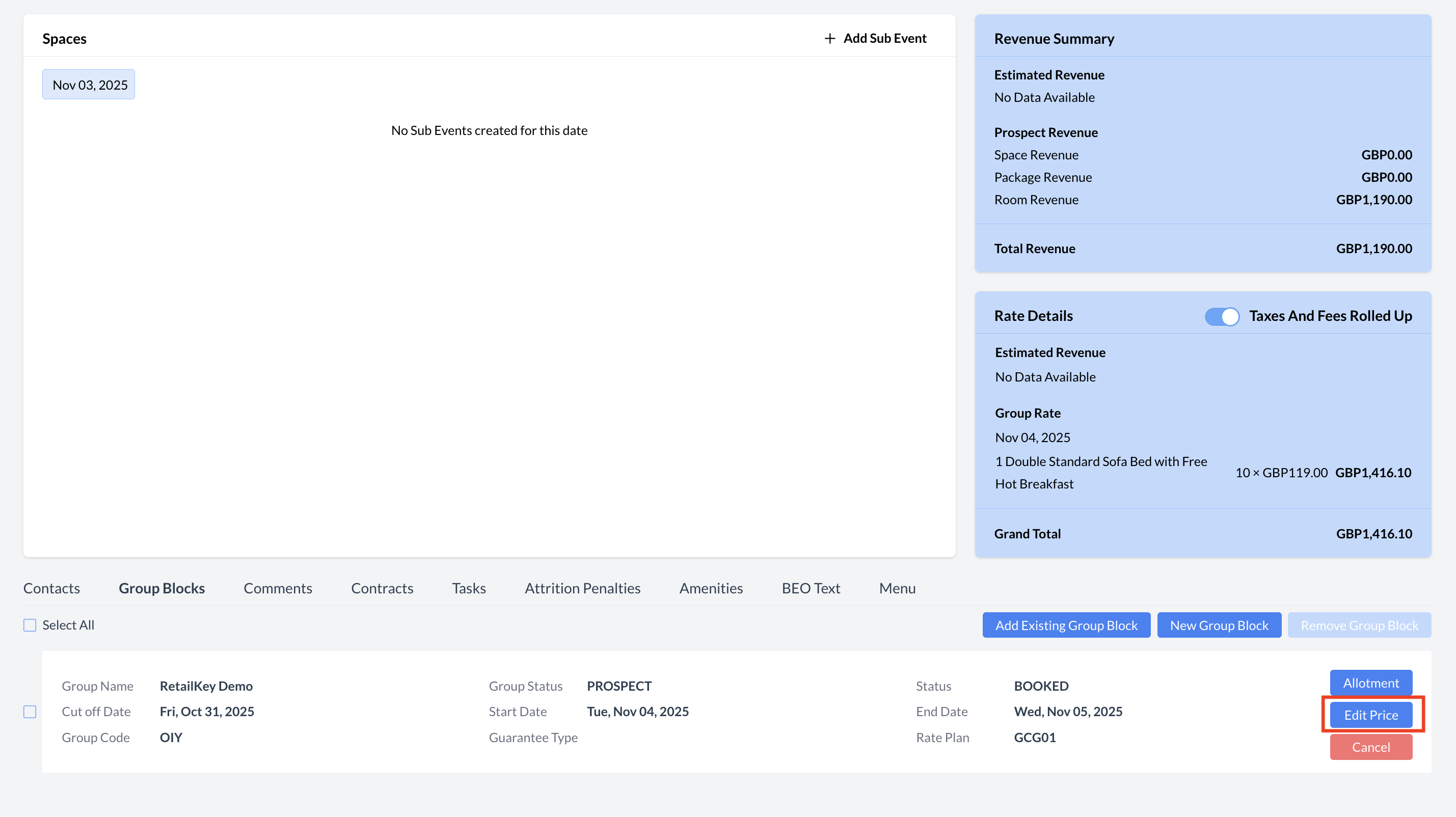
Click the blue “Edit Price” button, the Prices screen will open, allowing you to update room prices for the group block. 🔧 Editing Options
You have three ways to update pricing: 1. Edit an Individual Day & Room Type
2. Edit All Dates for a Room Type
3. Edit All Room Types for a Single Date
✅ Final Step
After reviewing and making any necessary changes, click the blue “Done” button to save the pricing changes. |
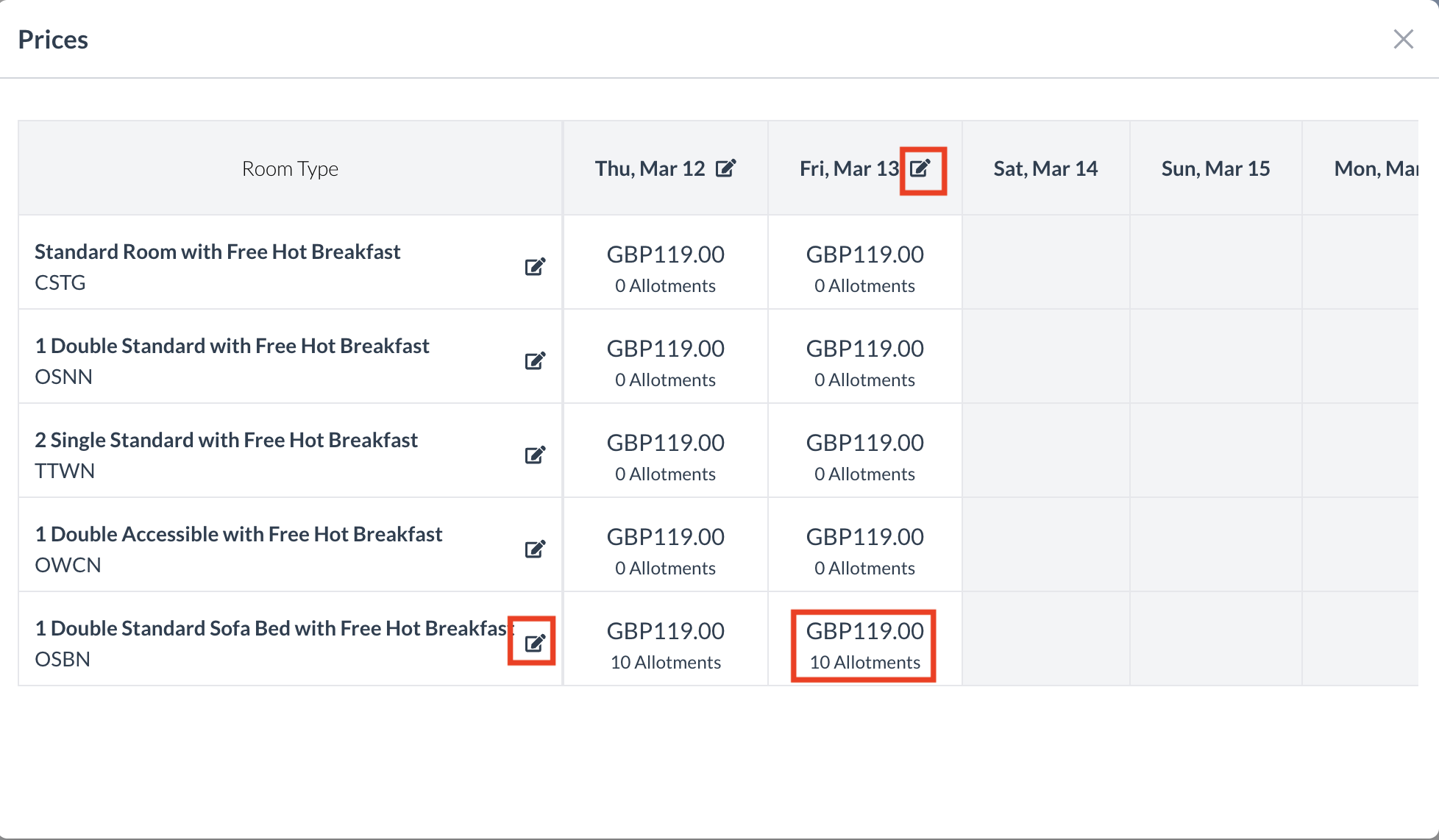
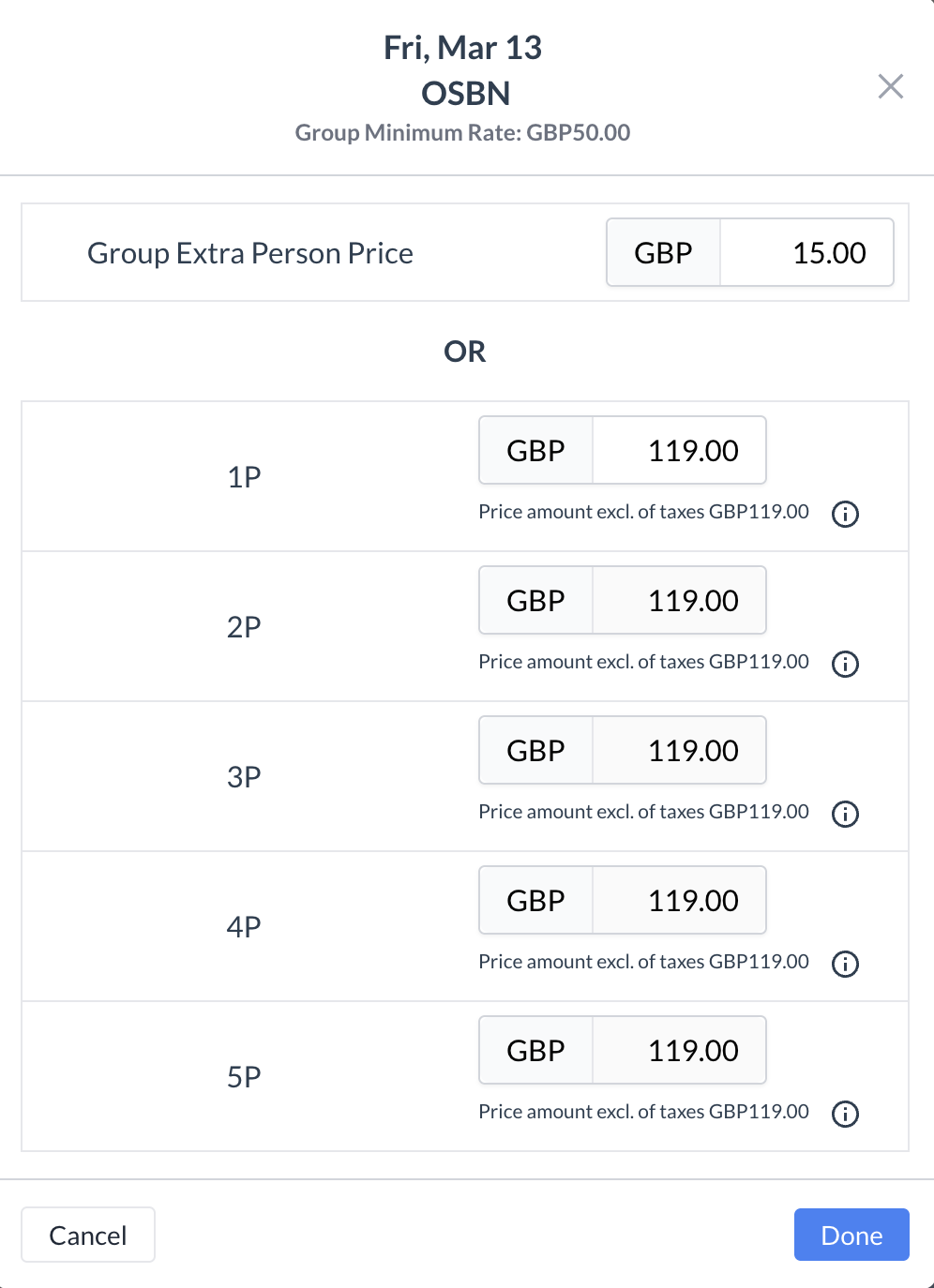
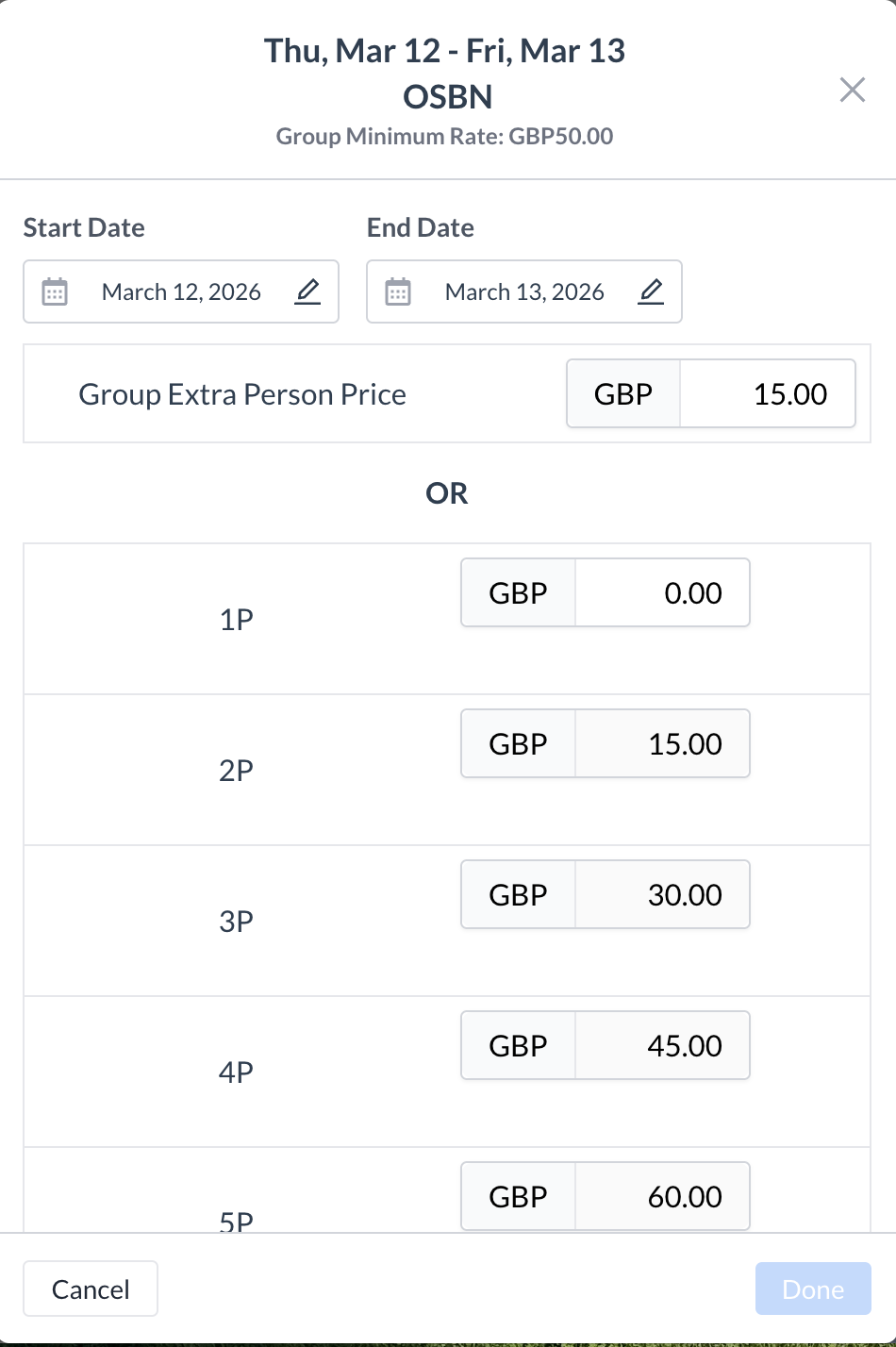
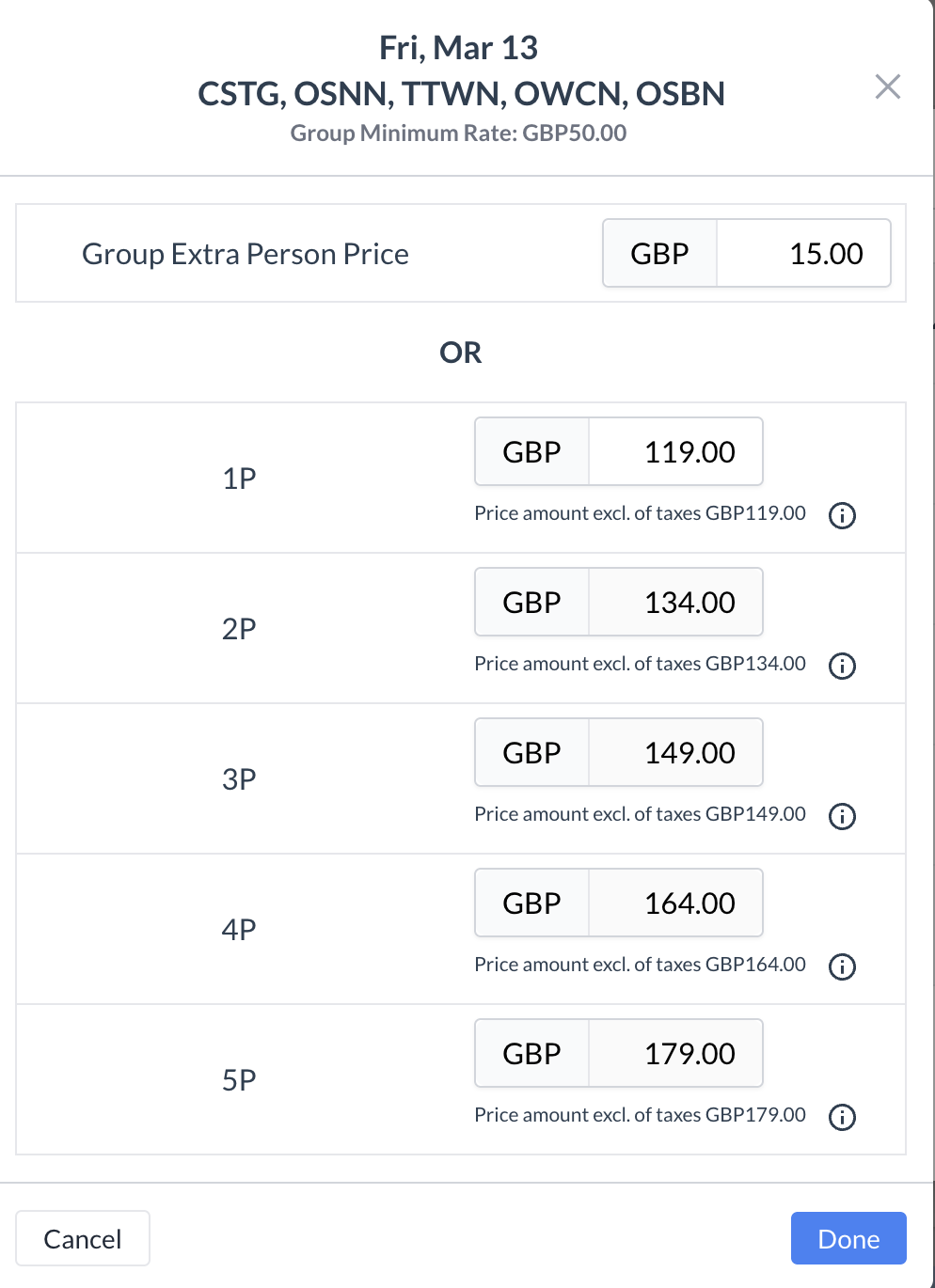
|
❌ Cancelling a Group Block
If the group block is no longer needed, you can cancel it directly from the Group Blocks section of the Record. Steps to Cancel:
|
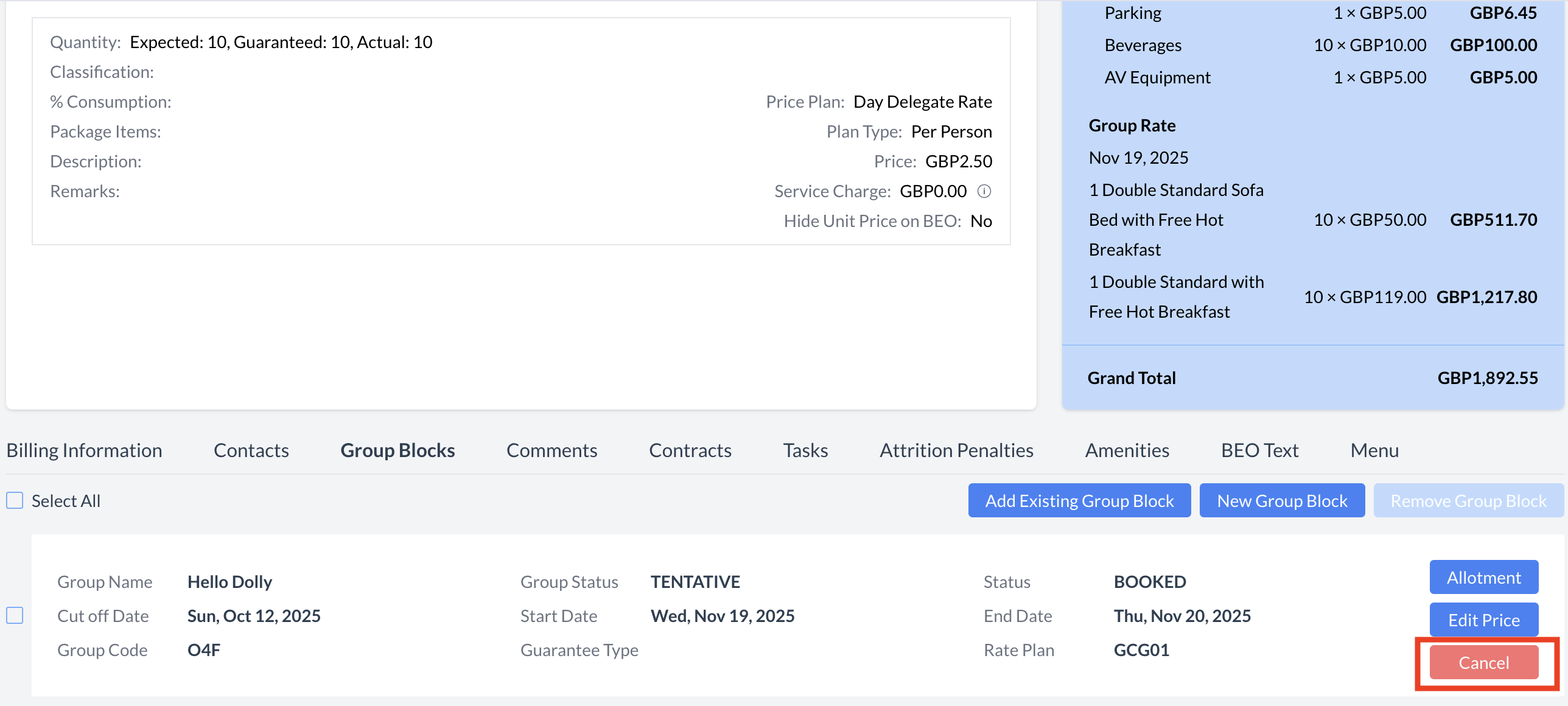
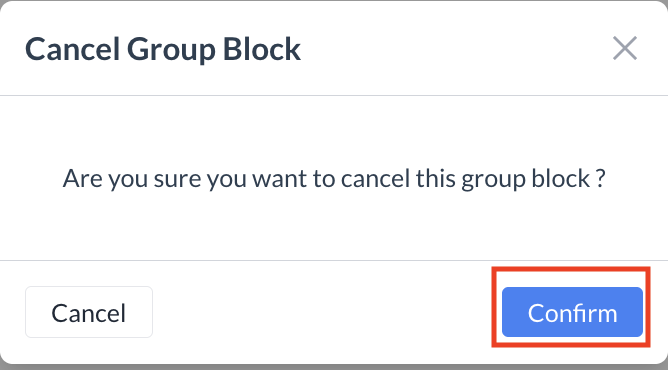
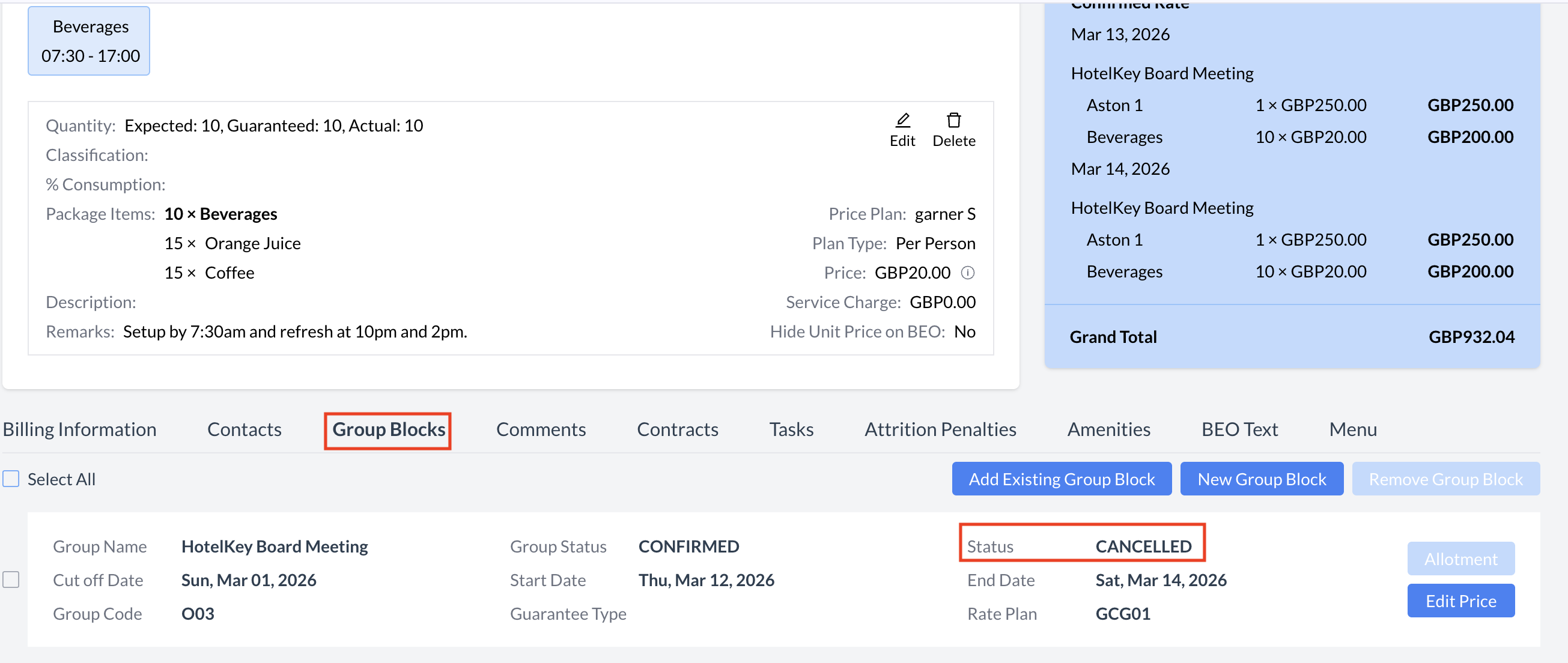
|
Creating a New Group Block from the Group Only Events Screen
In addition to managing existing group blocks, you can also create a new Group Block directly from the Group Only Events screen. 🛠️ To create a Group Block associated with an event:
This will open the Group Block Setup wizard where you will configure
|
|
|
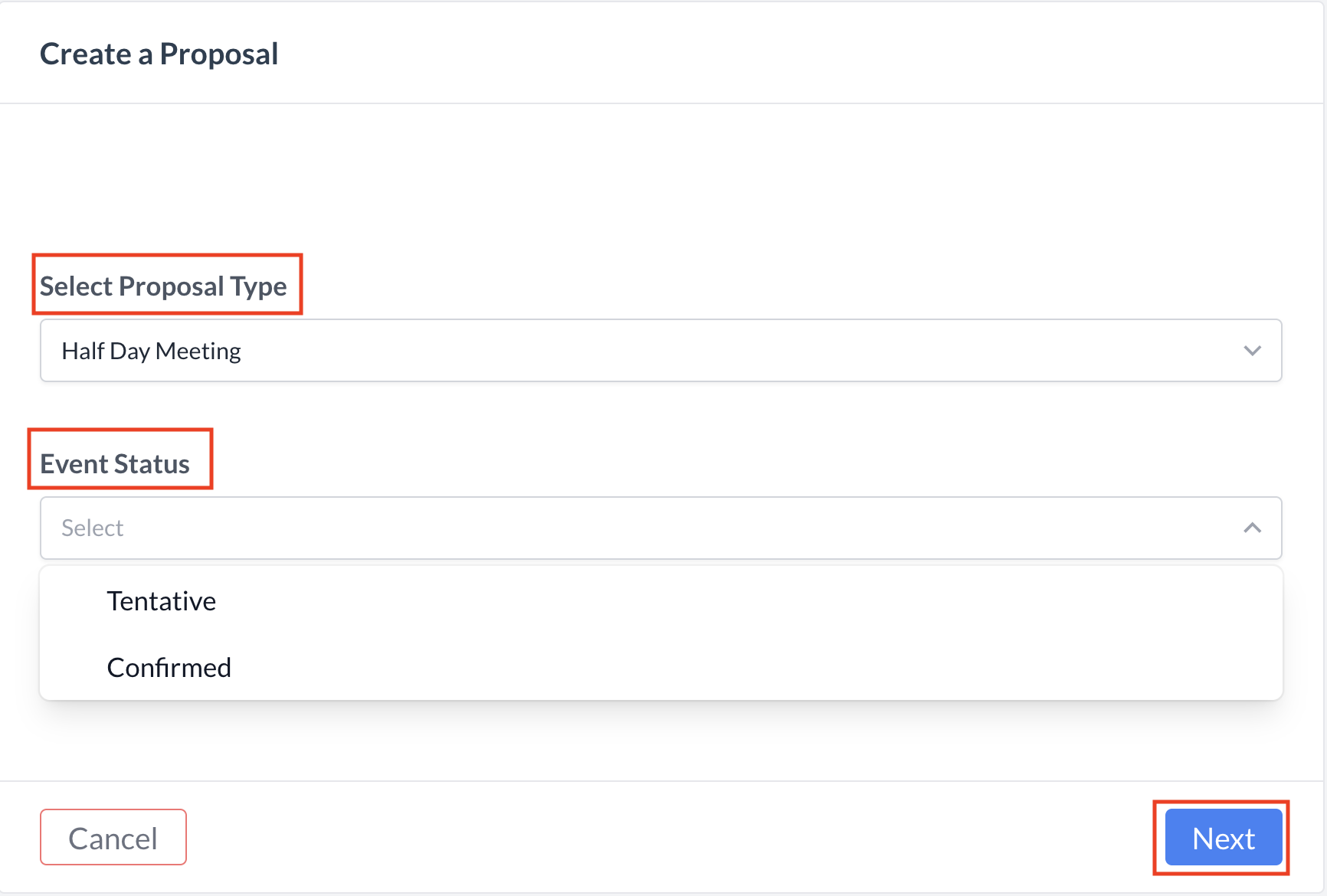
Select Proposal Type and Status:
Once both fields are completed, click the blue "Next" button to continue. Selecting the correct proposal type and status ensures the appropriate template and configuration settings are automatically applied during the group creation and conversion process. |
|
|
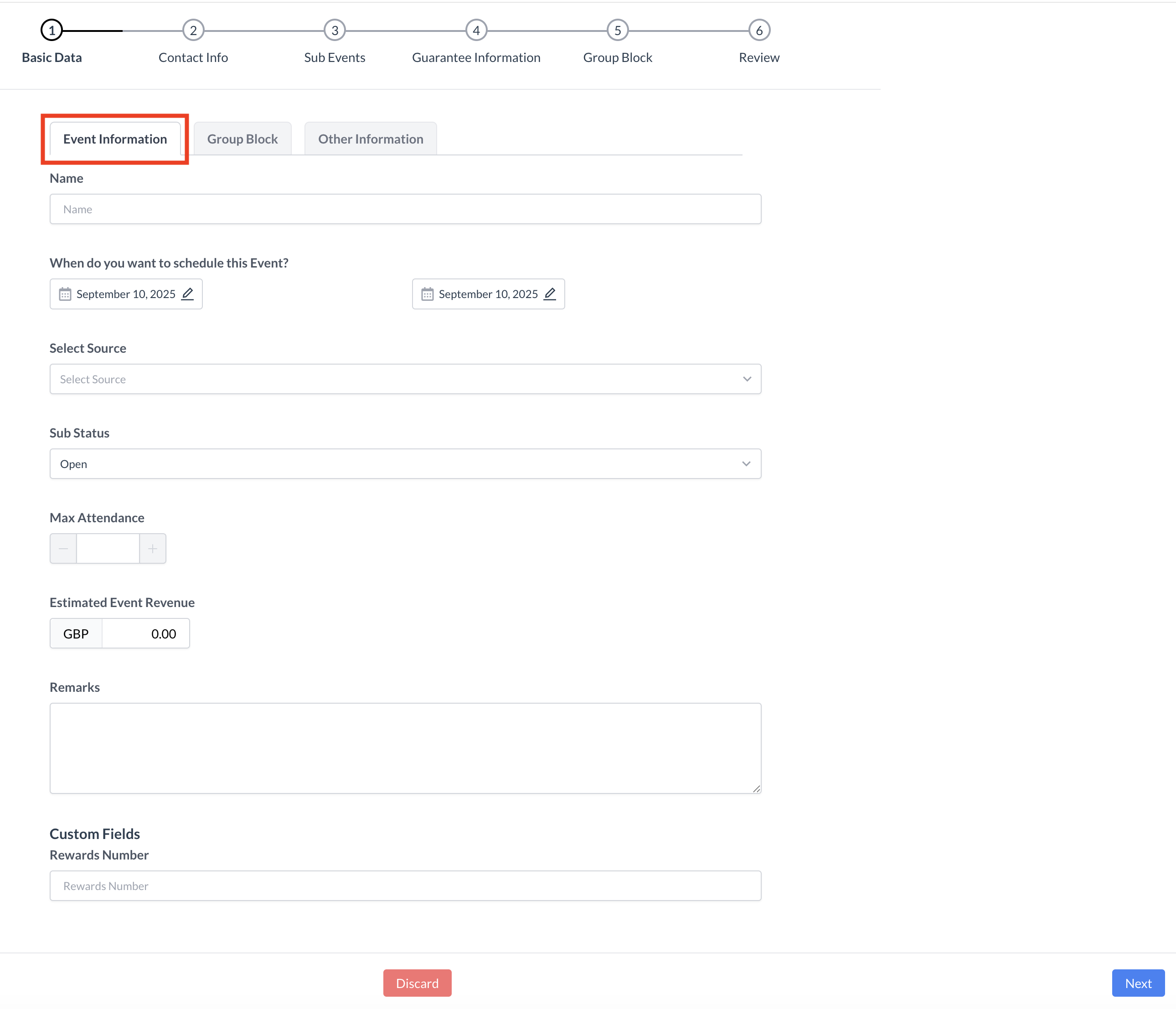
Step 1a: Basic Data - Enter Event Information Begin by completing the Event Information tab with the following details:
|
|
|
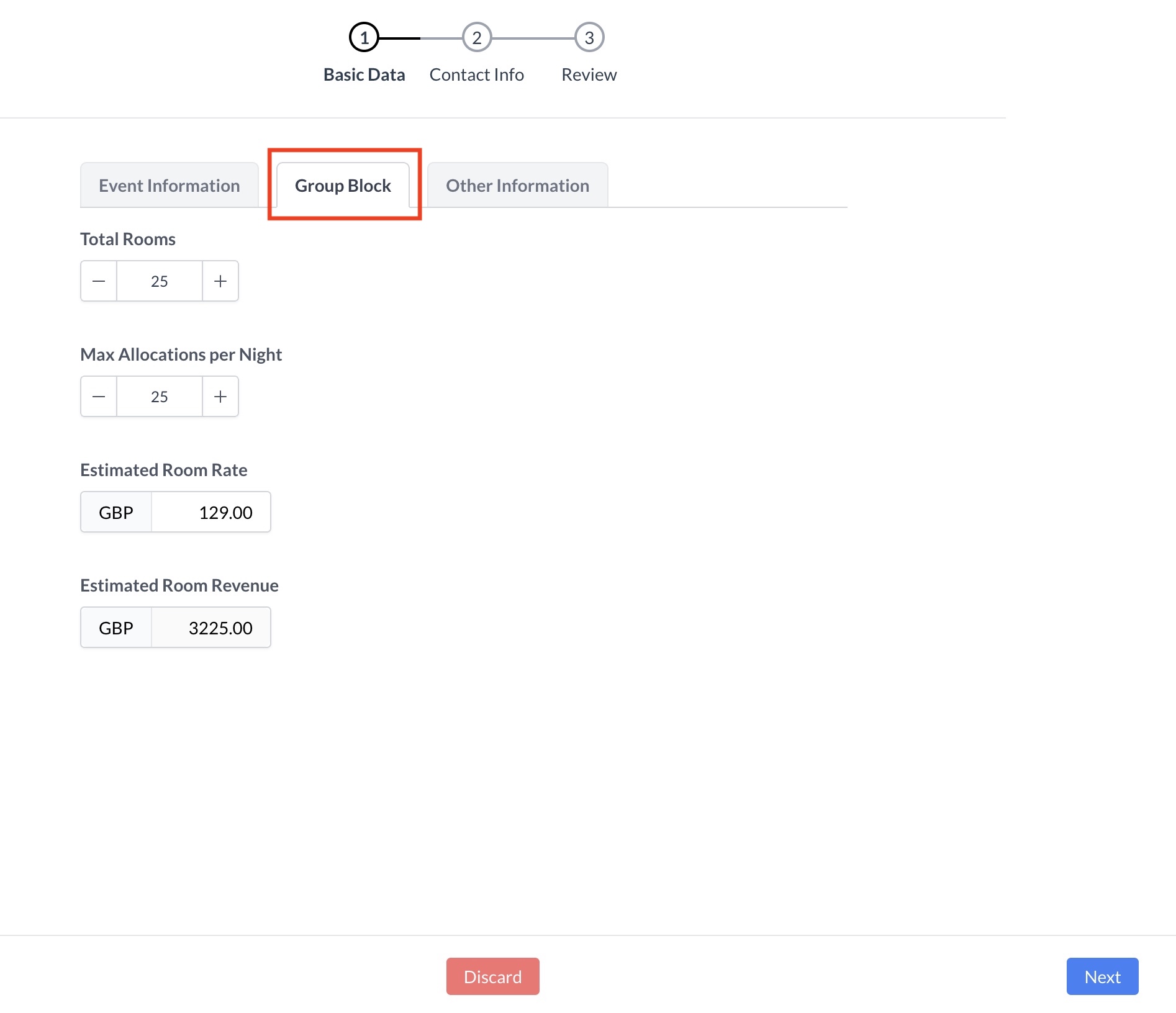
Step 1b: Complete the Group Block Information Navigate to the Group Block tab and enter the following details:
|
|
|
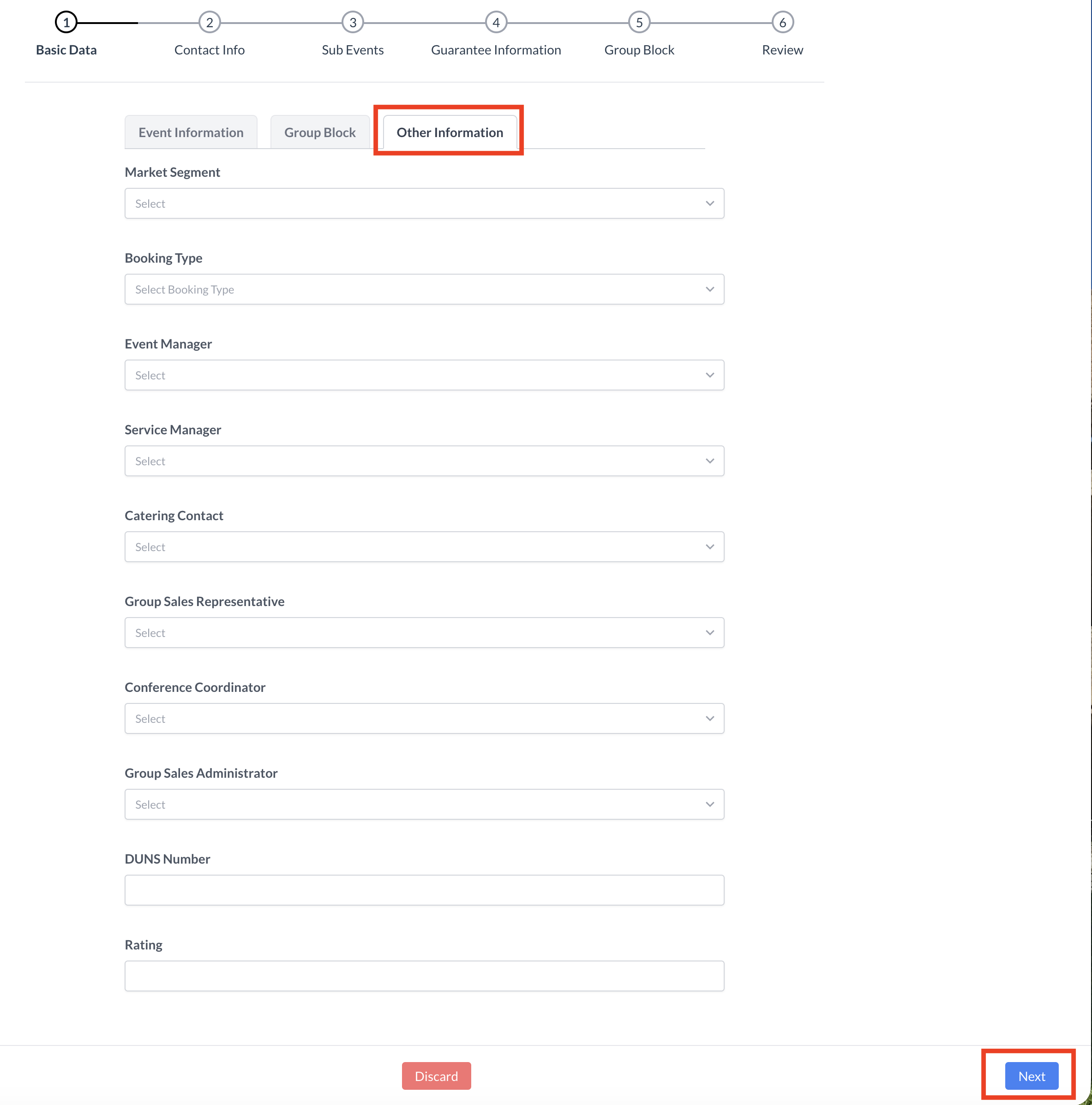
Step 1c: Basic Data Complete Other Information On the Other Information tab, enter the following details to help categorize and assign responsibility for the event:
|
|
|
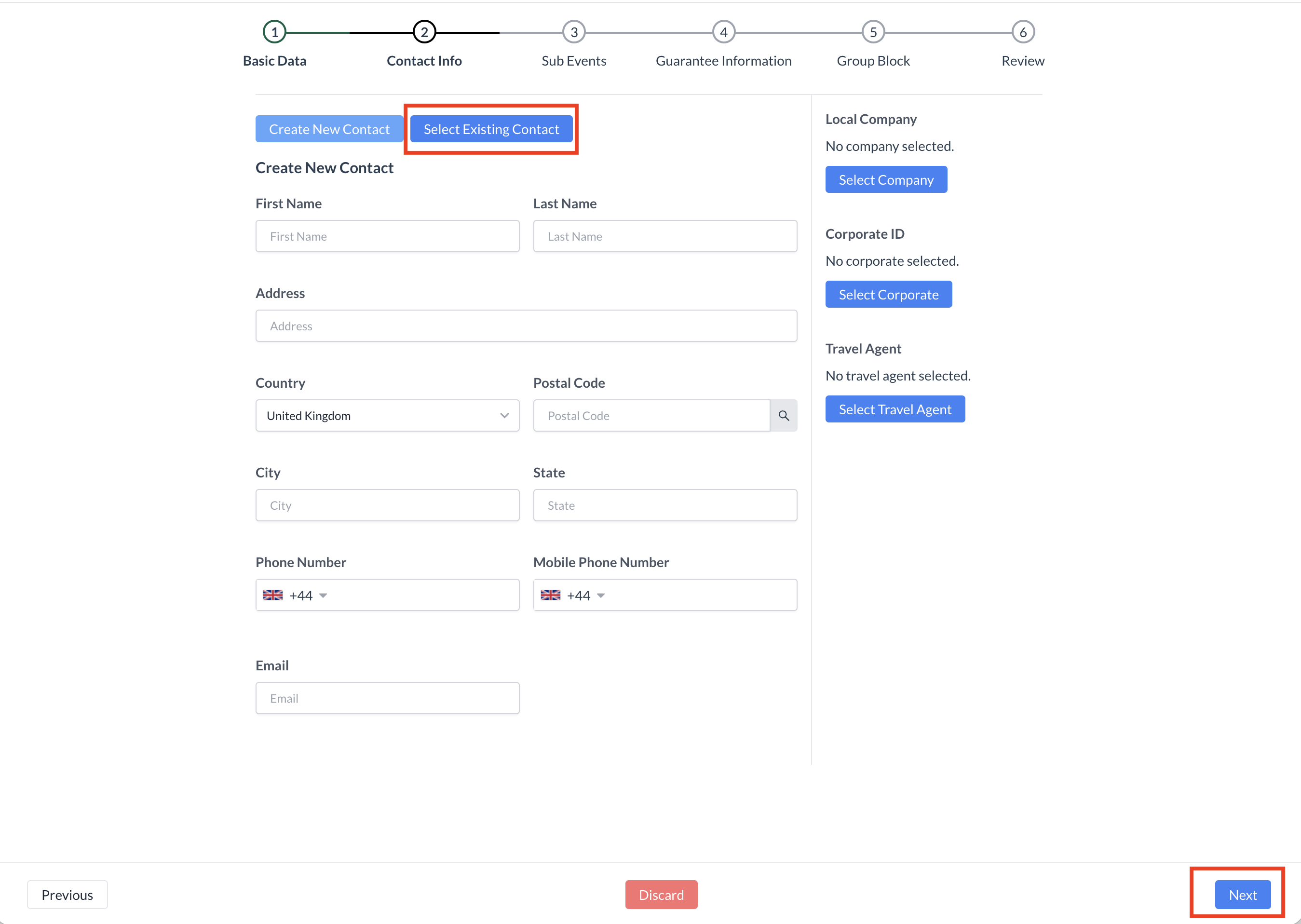
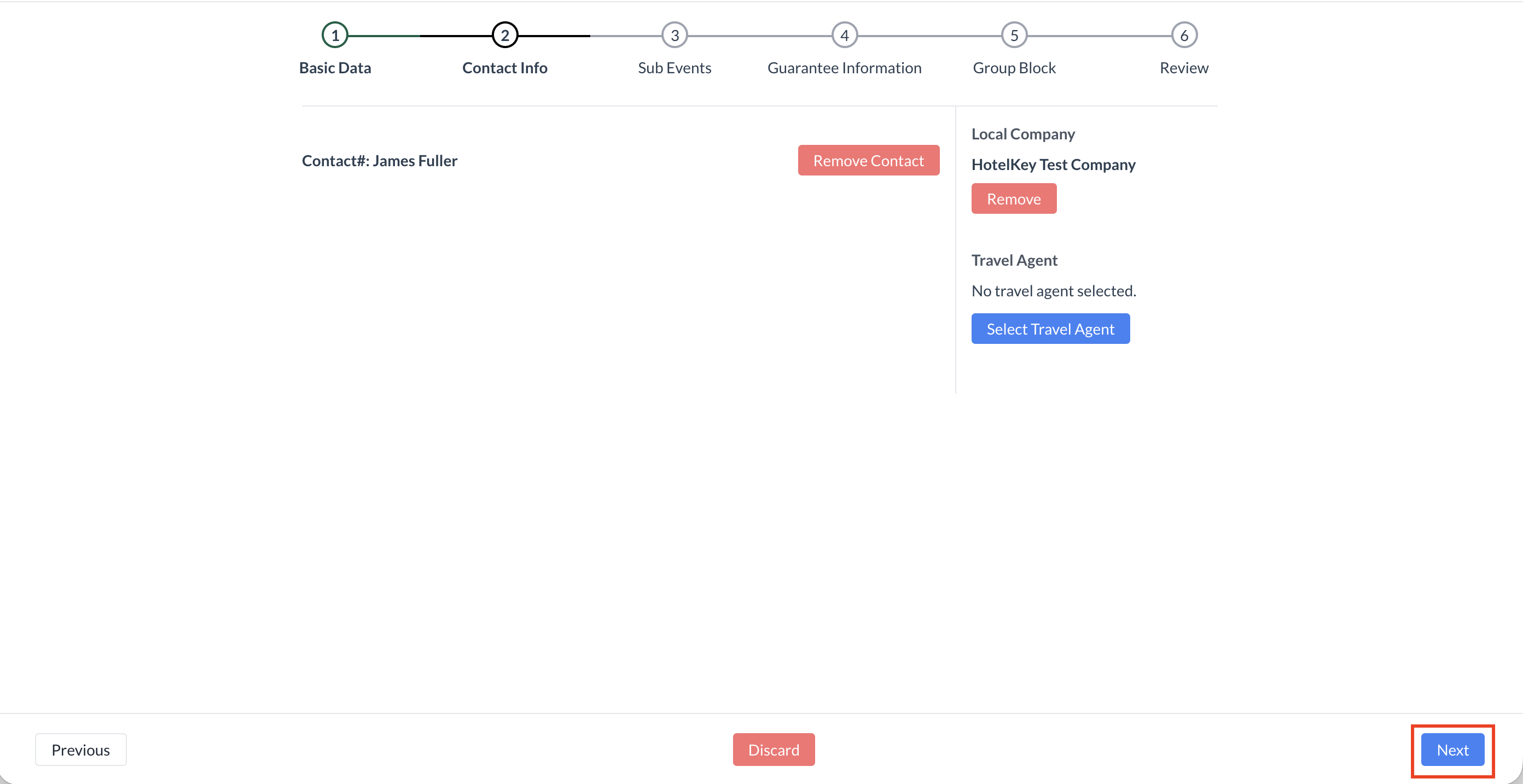
Step 2a: Enter Contact Information On the Contact Info screen, enter the booker's details, including:
|
|
|
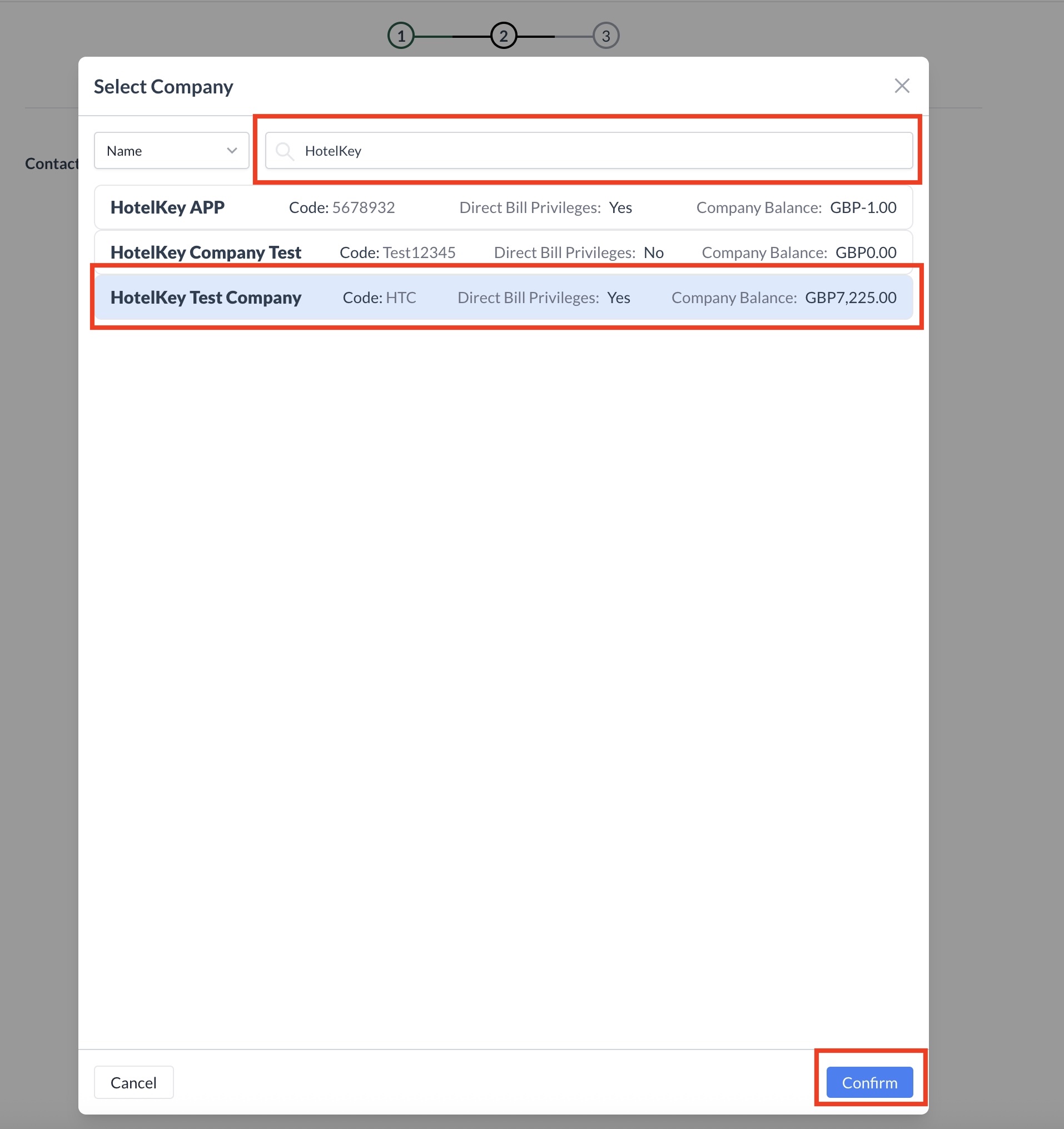
Step 2b: Add a Company Profile (If Applicable) If the booker is associated with a company, follow these steps to attach a company profile:
|
|
|
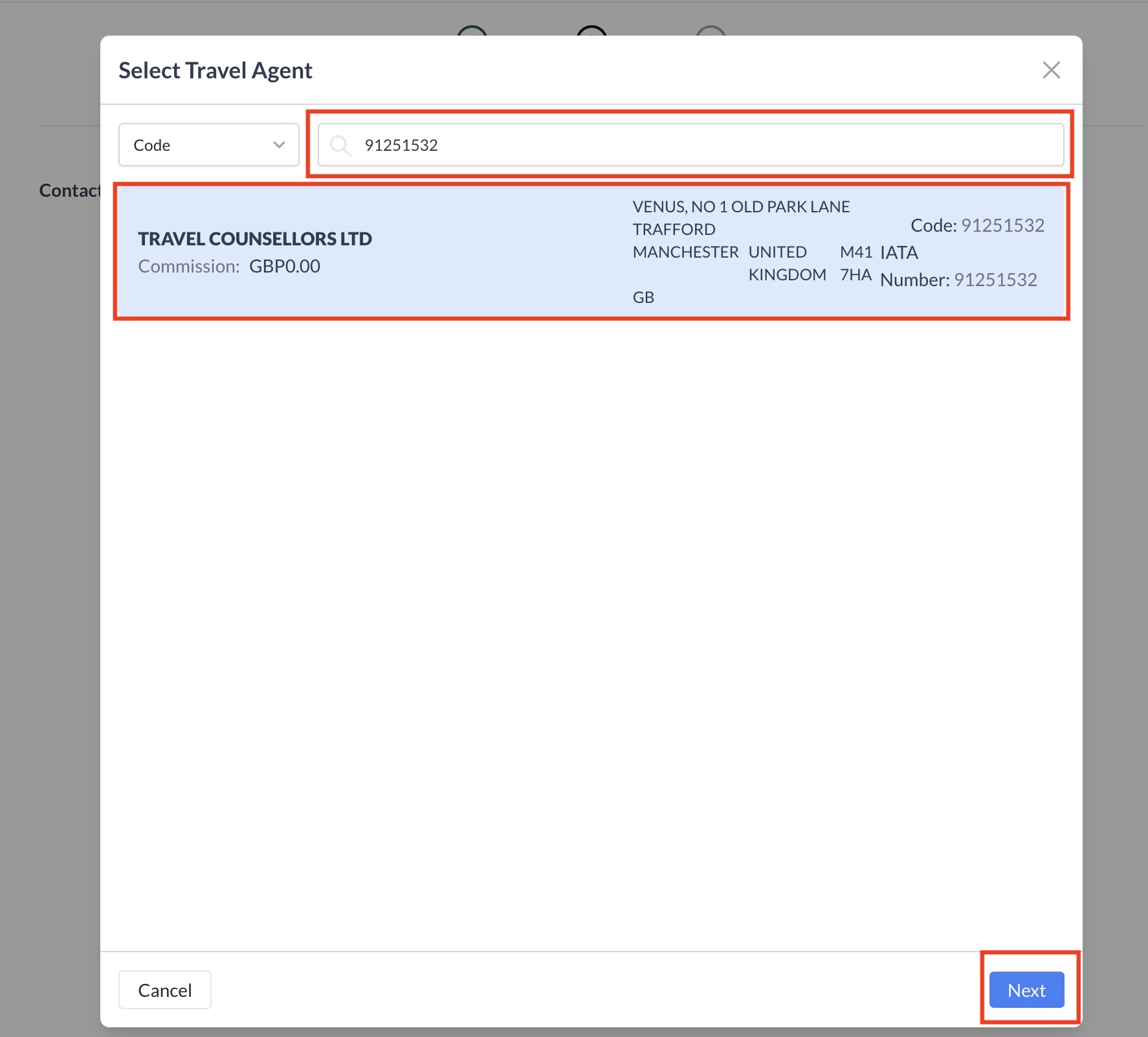
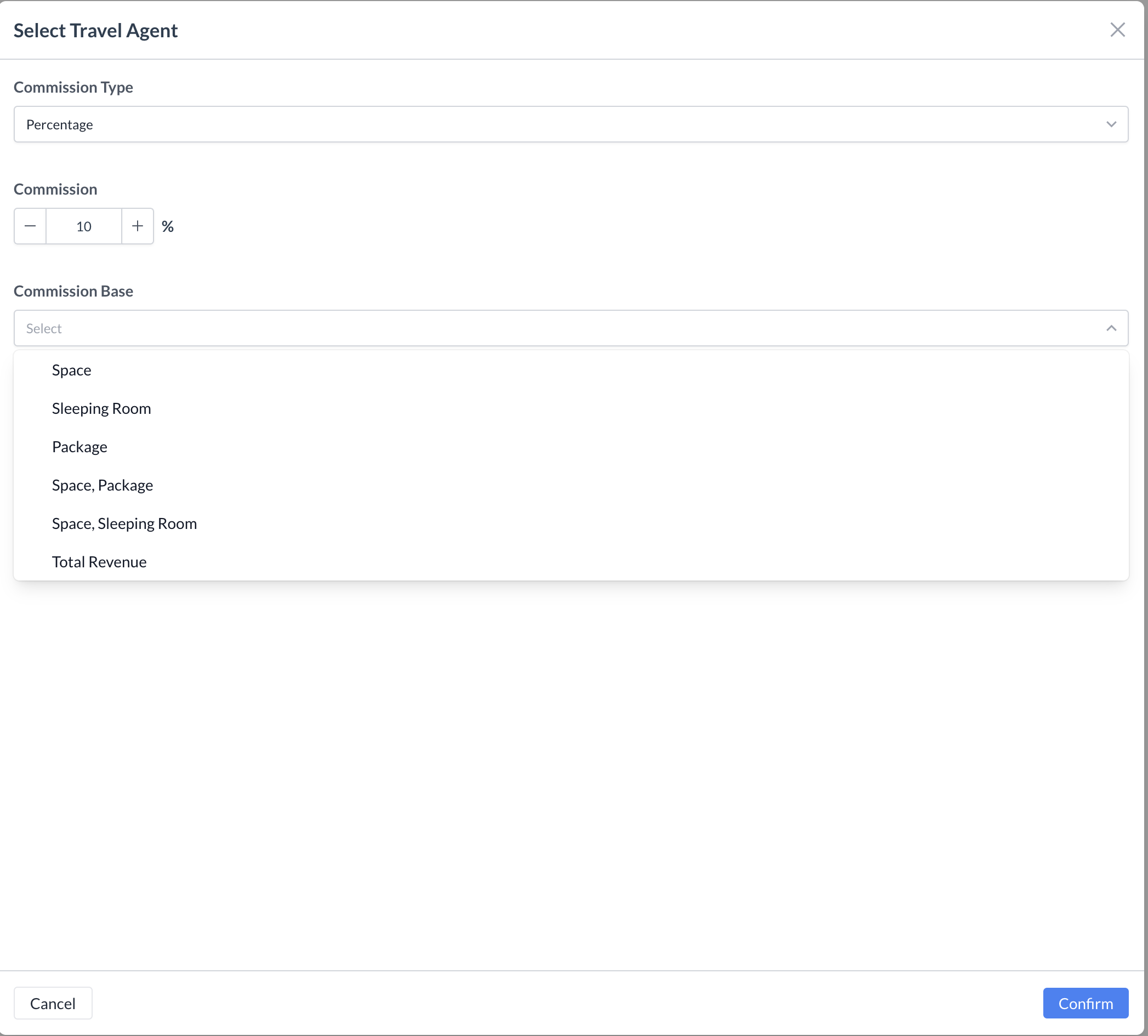
Step 2c: Add a Travel Agent (If Applicable) If the booker is associated with a travel agency, follow these steps to attach the correct IATA profile:
|
|
|
Proceed to the Next Step Once the booker’s contact information is complete and any associated Company and/or IATA profiles have been successfully attached:
|
|
|
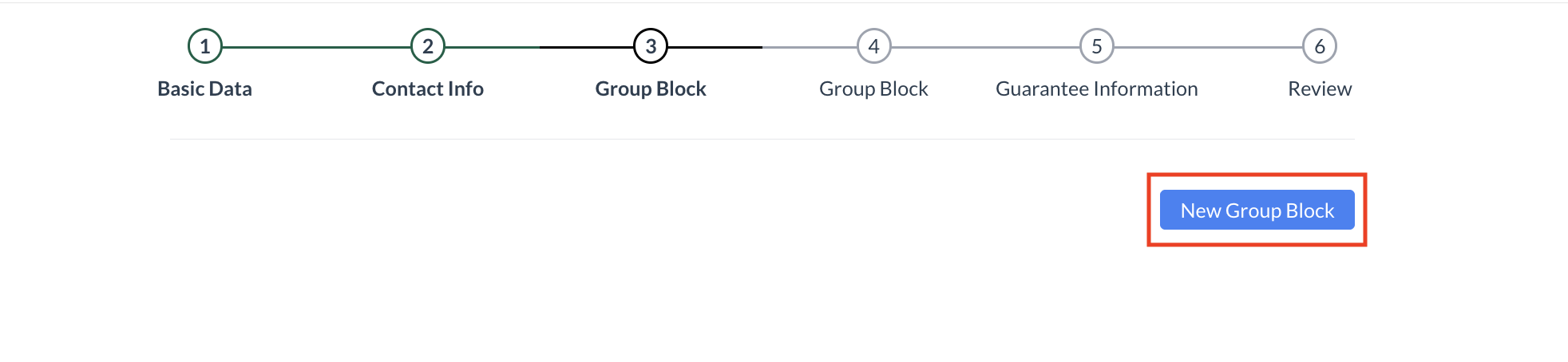
Step 3: Creating a New Group Block To create a group block associated with this event:
This will open the group block setup screen, allowing you to define room block details, dates, and allocations linked directly to the event. |
|
Step 1: Basic Data
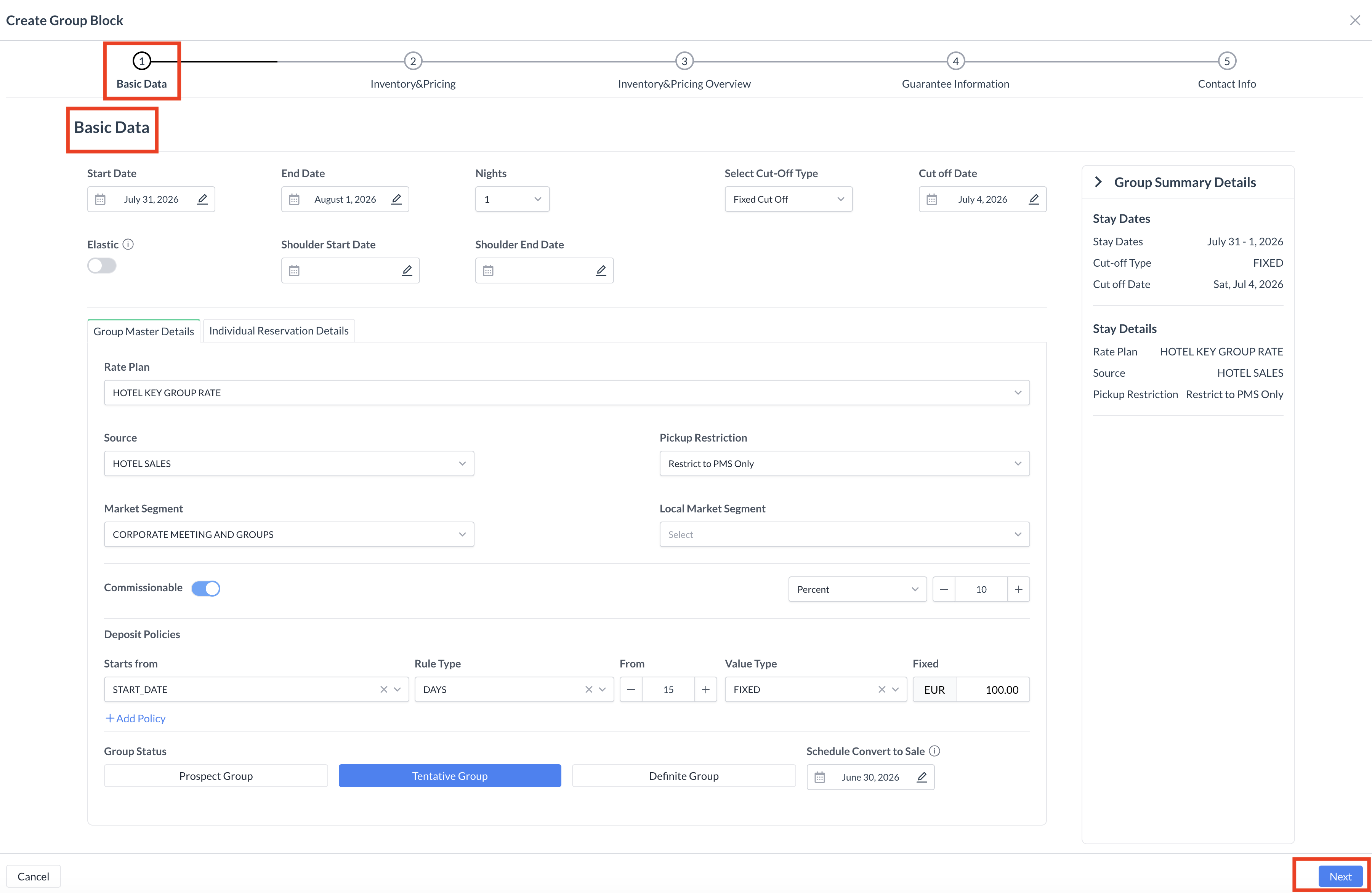
The first phase of creating a Group Block (v2) requires establishing the foundational parameters of the booking. This data forms the core profile that will eventually sync with your PMS. Required Actions & Field Definitions
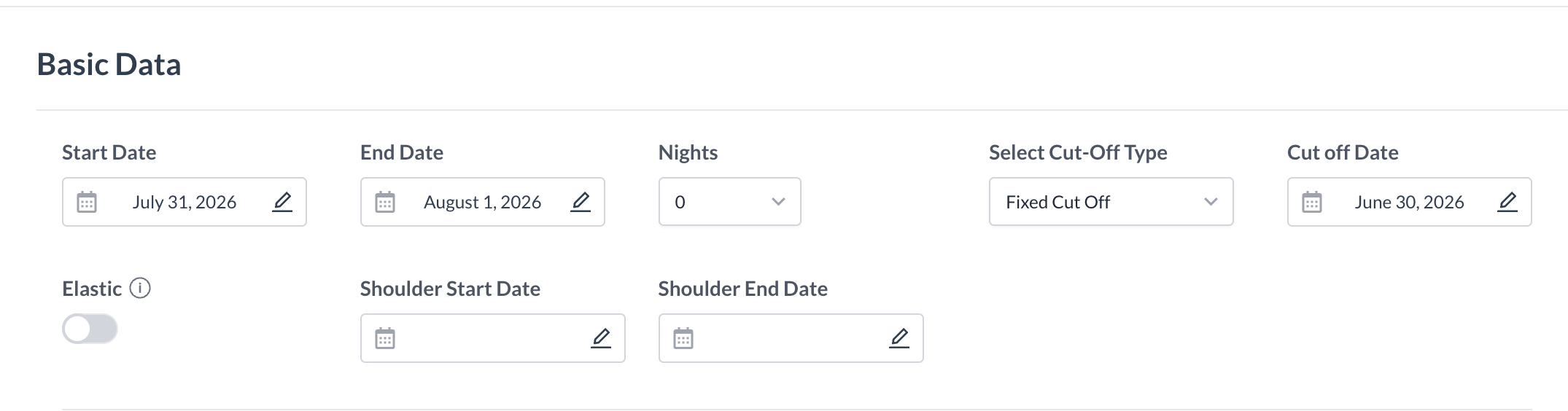
To complete the Basic Data setup, fill out the following primary fields on the initial screen: ⚠️ Important: Required Fields are indicated with a red dot 🔴 1a. Stay Dates & Extensions
⚠️ The system will pull the existing event's start date and set it as the default start date for the new block. Users still retain the full flexibility to manually edit and adjust the start date as needed during the creation process.
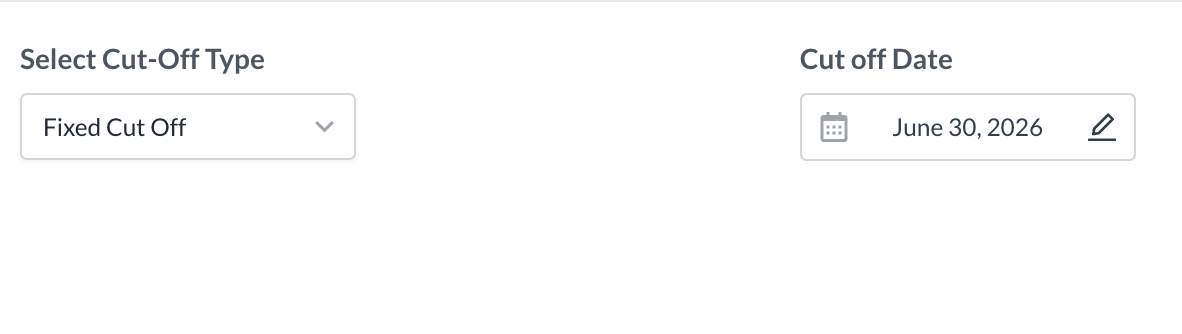
1b. Cut-Off Type Configurations
The Cut-Off Type defines how and when unsold rooms held in the block are automatically released back into the hotel's general inventory. Select one of the following options from the dropdown menu:
|
.png?cb=5ef5ca0093db4e135955515f684bf163)
.png?cb=c85f5090baedbca12a36f179b95a47f1)
|
|
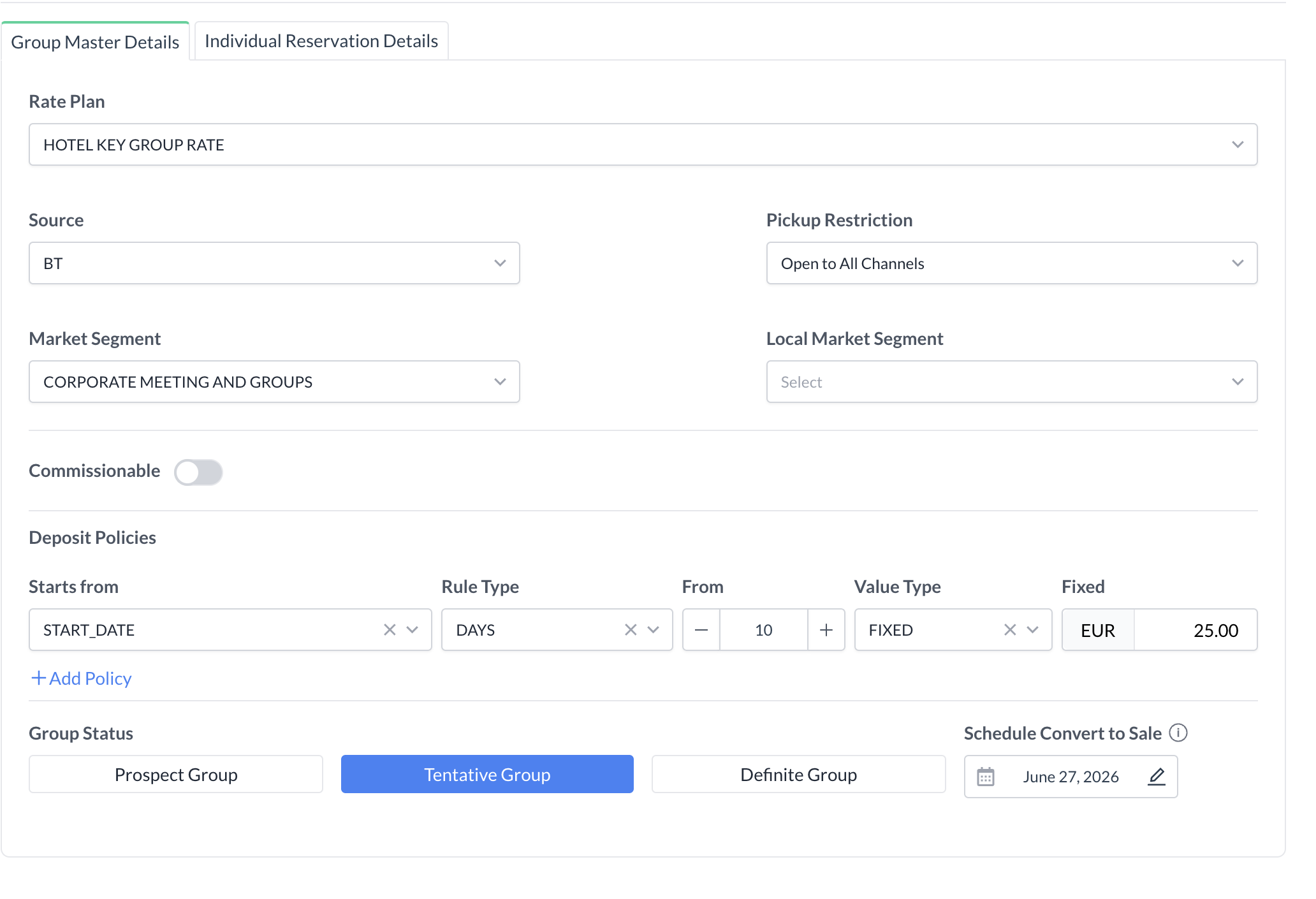
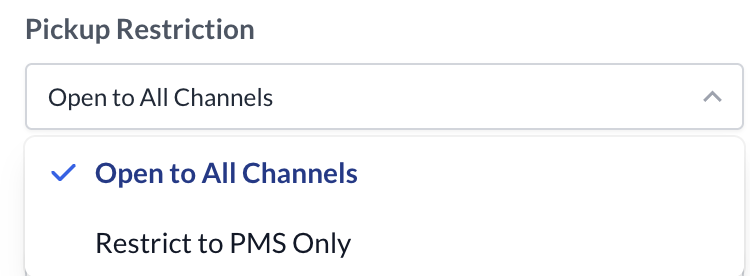
After setting up your stay dates and cut-off rules, scroll down to configure the booking source, restrictions, financial policies, and tracking metrics for the group block. 1c. Rate, Source, & Pickup Channels
1d. Market Segments
Use these fields to ensure accurate corporate and local revenue tracking:
1e. Deposit Policies
The system allows you to configure automated financial rules to secure the block. You can add up to three separate deposit policies per block by defining the following criteria:
📑 Deposit Example: To require a $100 deposit two weeks out, configure the policy to collect a Fixed Amount of $100 exactly 14 days prior to the Start Date of the group master. ⚠️ System Integration Note: If your property is connected to a central guest reservation system, updates are automatically synced. This will activate the deposit requirement and overwrite any previous manual values in the system. 1f. Commission & Block Status
Reviewing the Summary Sidebar
Throughout the creation process—from Step 1 through Step 5—the Group Summary Details sidebar on the right side of the screen will dynamically update. Use this pane to verify your progress, check configured room types, and ensure that your Stay Details (such as the selected Rate Plan and Source) are accurate before advancing. Once all required fields in this section are complete, click the navigation buttons at the bottom of the window to proceed to Step 2: Inventory & Pricing. |
.png?cb=48f482e021f8621c2632259608887c49)


%20(1).png?cb=667a2fa10df7fb5824525e7fcf5248f6)
.png?cb=e5650d3aac29a3856a1aeba3b7d830b8)
|
Step 2: Inventory & Pricing
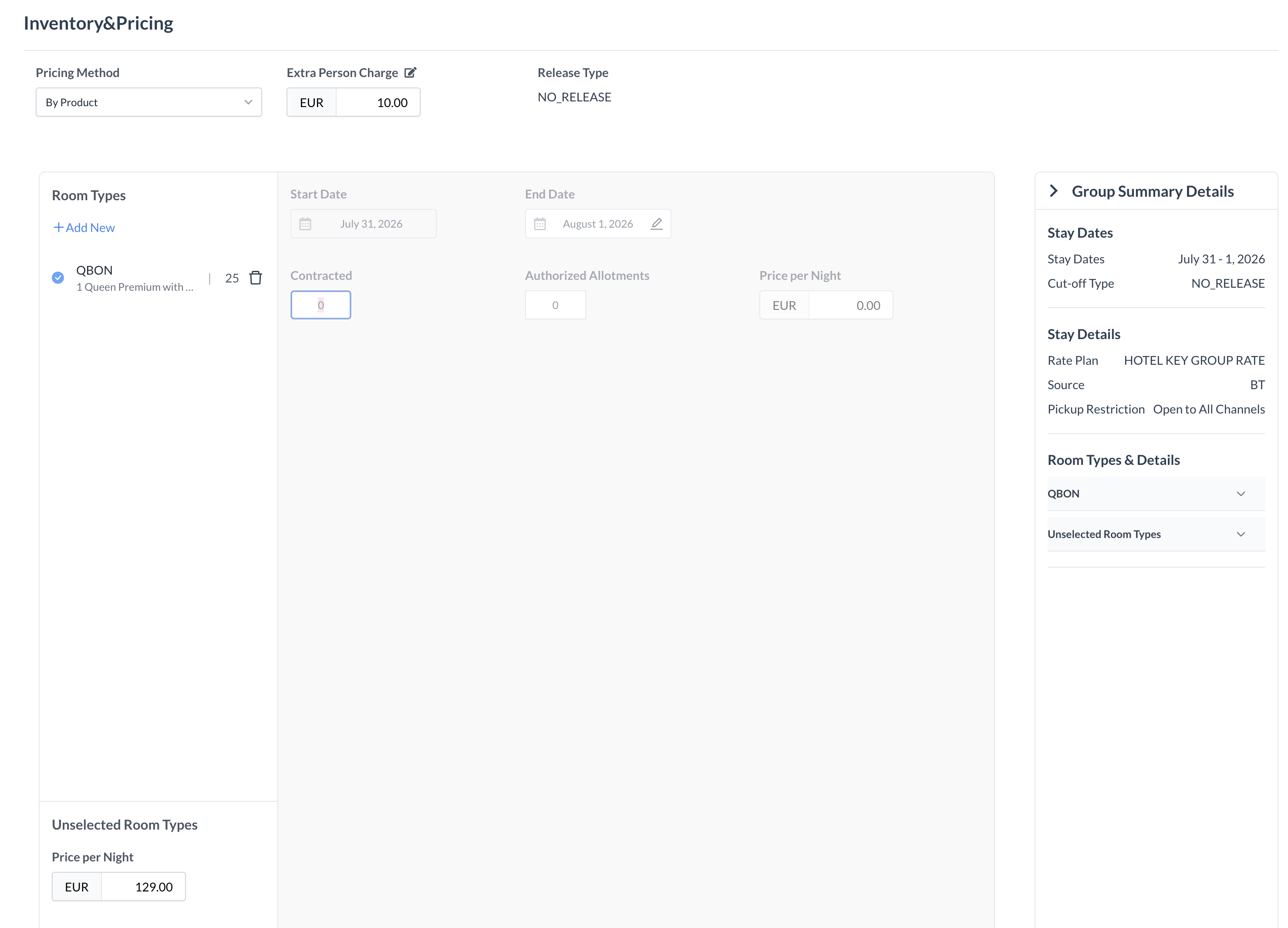
After establishing your basic data, you will define how your room rates are structured, choose your contracted room types, and allocate your inventory for the block. 2a. Selecting the Pricing Method
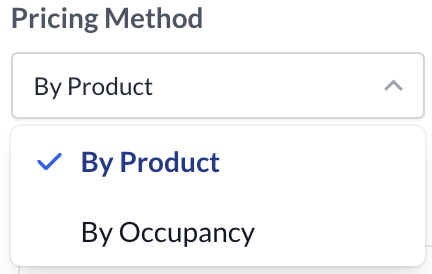
The system allows you to choose how rates are calculated based on your property's commercial strategy. Select one of the two pricing methods:
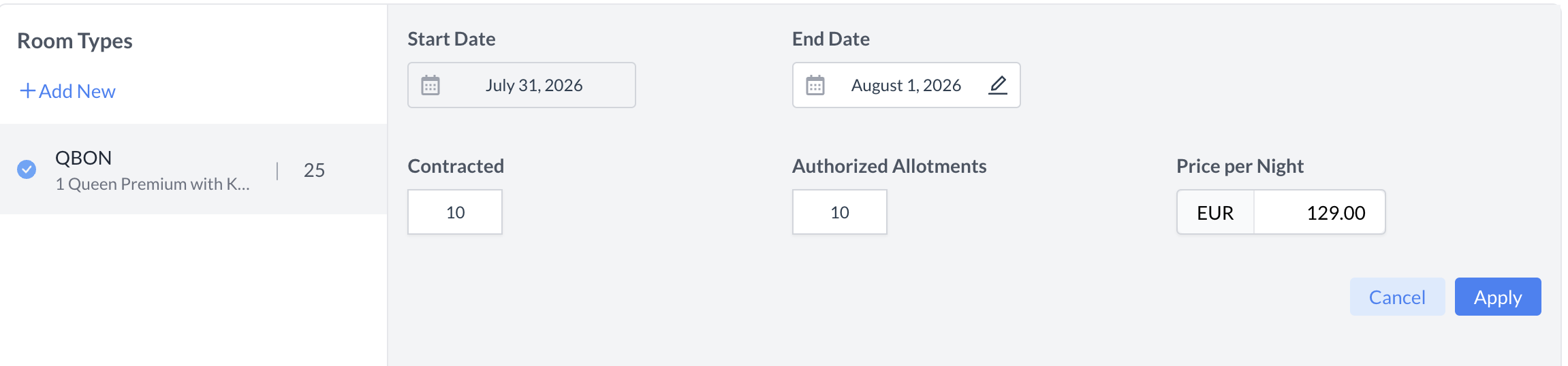
2b. Allocating Room Types & Allotments
Select the room types required for the group block from the available inventory checklist, then define their constraints:
🛠️ Efficiency Tip: You can select multiple room types simultaneously to apply identical allotments and pricing across them at once, or configure each room type individually to support tiered pricing. Click Apply to save your distribution. 2c. Handling Unselected Room Types
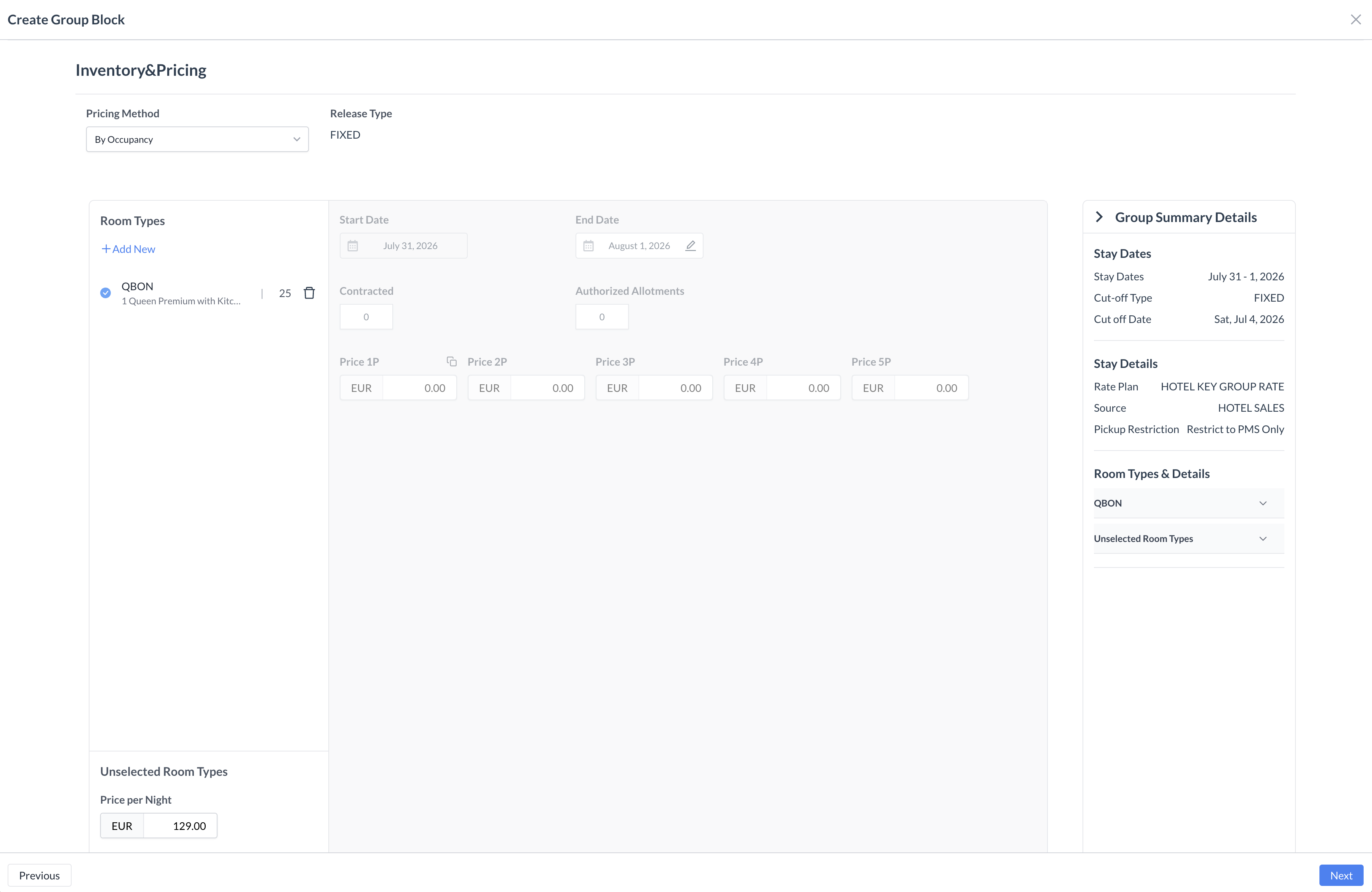
Step 2 Alternative: Inventory & Pricing via the "By Occupancy" Method
If your property utilizes the By Occupancy pricing structure instead of the default By Product method, follow these steps to configure your room counts and tiered guest pricing. 2a. Allocating Room Types & Allotments
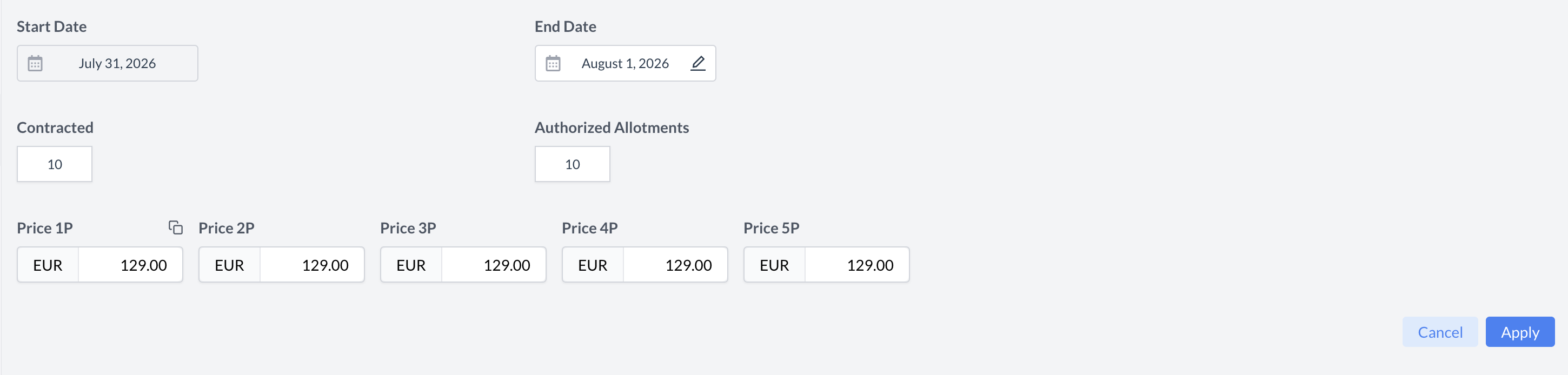
Select the room types required for the group block from the available inventory checklist, then define their constraints:
2b. Setting Occupancy-Based Rates
Unlike the flat-rate product method, you must define specific pricing for each individual guest configuration within the selected room types:
📑 Occupancy Pricing Example: For a standard double room, your tiered pricing grid might look like this:
Once your inventory counts and occupancy rates are entered, click Apply to save and distribute the matrix. 2c. Handling Unselected Room Types
Once all inventory counts and tiered rates are successfully applied, click the navigation buttons at the bottom of the screen to advance to Step 3: Inventory & Pricing Overview. |
.png?cb=7762c81e6c632244f8c83d327240d270)
.png?cb=d590eb725a46f8781b710e259ba3a149)
|
Step 3: Inventory & Pricing Overview
The Inventory & Pricing Overview screen acts as your master verification dashboard. Before moving forward, use this page to audit your daily room allocations, cross-reference house availability, and review your pricing structures. 3a. High-Level Block Summary
The primary information card at the top of the screen provides a consolidated, real-time matrix of your property's total inventory metrics across the entire date range of the block:
3b. Selected Room Types Breakdown
Directly below the summary card, your explicitly selected room types are listed first. Click on any individual room type row to expand its detailed nested view, which displays:
3c. Unselected Room Types Breakdown
Scroll to the bottom of the page to review the Unselected Room Types section. This area displays the property’s remaining room types that were left out of the active block setup. 🔍 What to look for: Unselected room types will automatically display a value of 0 for Contracted, Authorized, and Picked Up (Sold) counts. However, they will display the baseline fallback Room Rate you assigned to them during Step 2. Verify that this fallback price is correct in case these room types need to be utilized later. Once you have verified that all figures, rates, and inventory counts are accurate, click the blue NEXT button at the bottom right of the screen to advance to Step 4: Guarantee Information. |
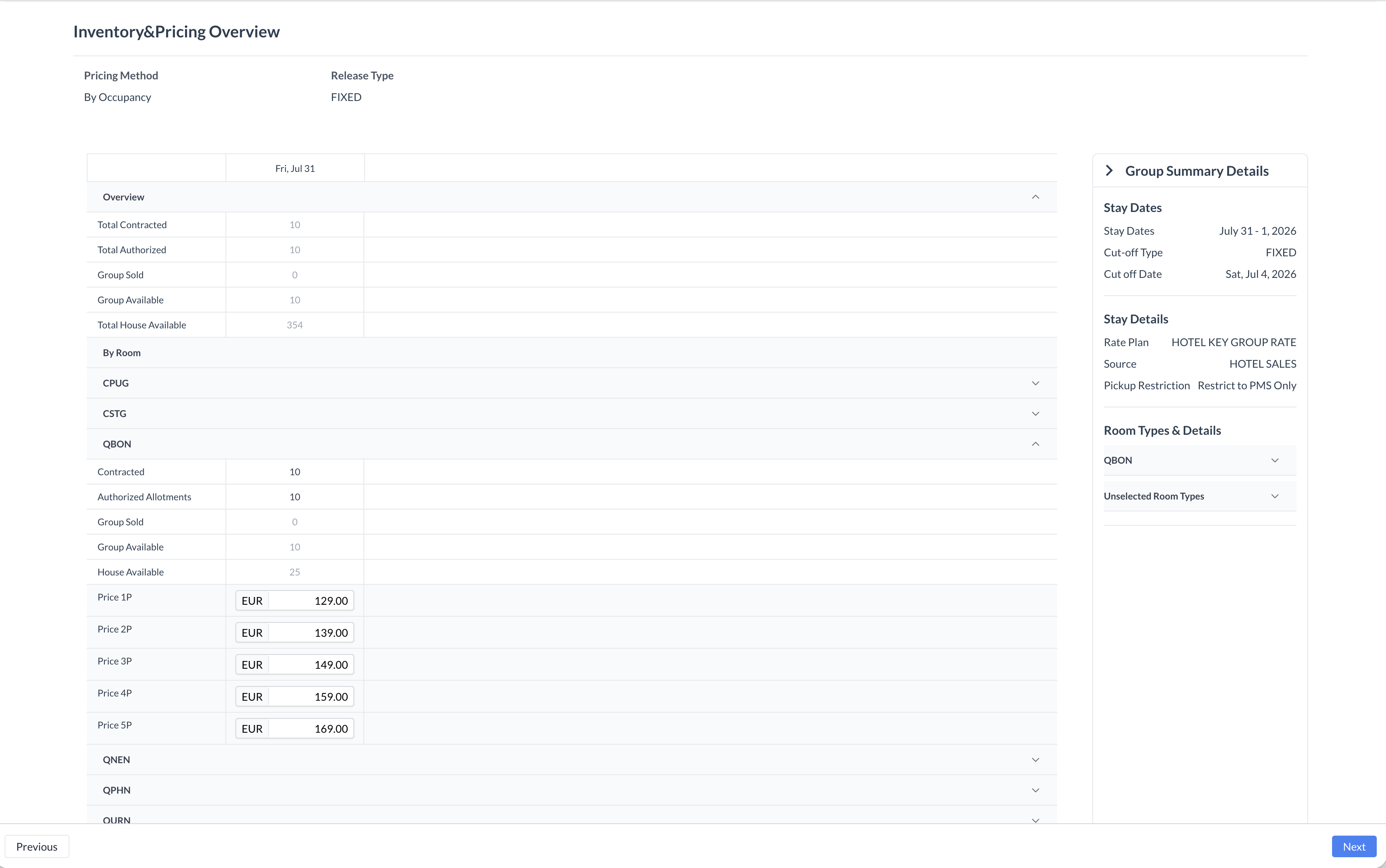
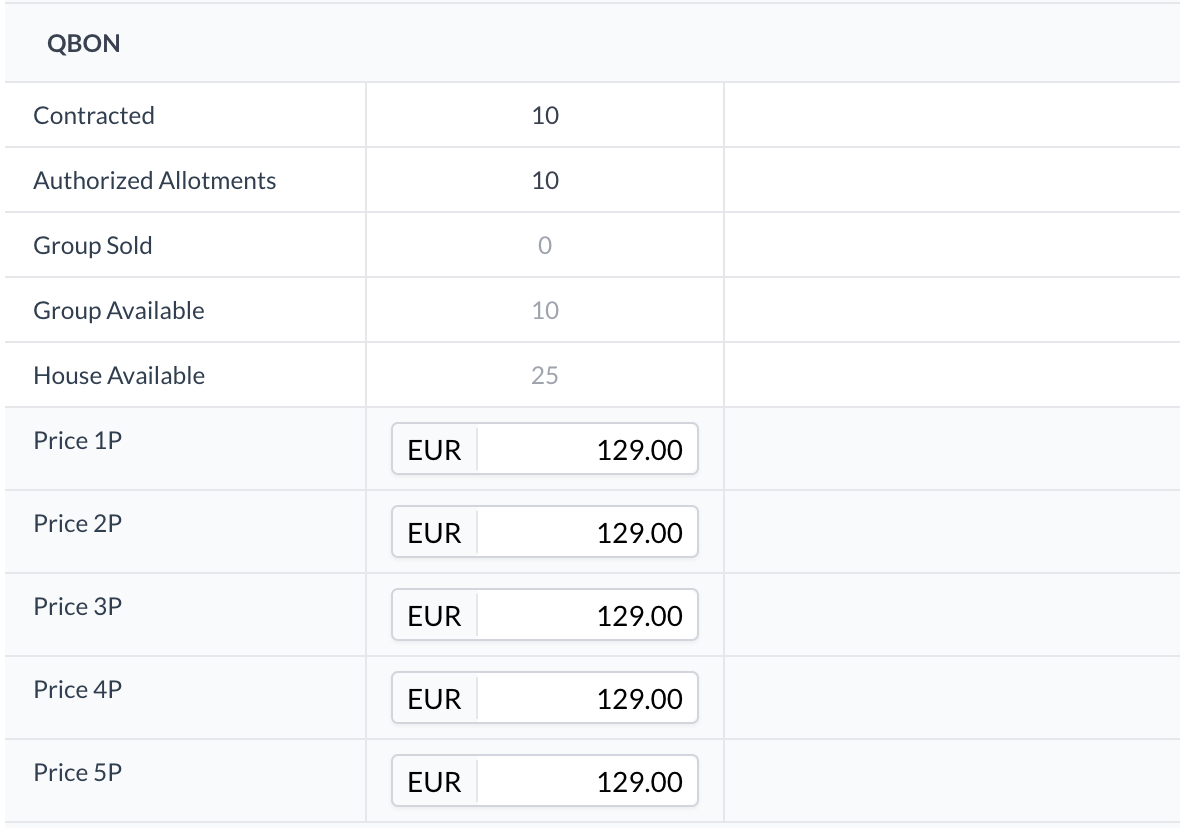
|
|
Step 4: Guarantee Information Screen In this step, you will select the Billing Type for the group block. This determines who is responsible for which charges—the group or the individual guests. Use the Billing Type dropdown menu to select one of the following options: Custom Billing
Allows for a combination of charges split between the group and the guest.
Full Coverage
The group is responsible for all charges, including accommodations, incidentals, and any additional services. Individual Billing
Each guest is responsible for all charges, with no charges billed to the group. Room Coverage Only
The group pays for Room Accommodations only. Guests are responsible for all other charges (e.g., meals, parking, incidentals). 📌 Note: Once the group block is created and reservations are made, you can manage or override the billing type for individual reservations within the PMS, if needed. When finished, click the blue “Next” button to continue.
|
.png?cb=48b7a76619415e24861151fe7fa717da)
|
|
Step 5: Contact Information Screen In this step, you’ll enter the final group details before creating the block in the PMS. 5a. Group Contact Information
The Group Contact is automatically populated based on the Booker or Contact selected during Step 2 of the event setup.
📌 No additional action is required. You can change this information once the block is created in the PMS. 5b. Enter the Group Block Name
Enter the Group Block Name — this is the name guests will reference when calling to make a reservation (e.g., "Smith Wedding Block", "ABC Corporation Conference"). 5c. Enter or Confirm the Group Code
📌 Important Notes:
5d. Create the Group Block
Once all information has been entered, click the blue “Create” button. This action will write the Group Block to the PMS, completing the setup process. |
.png?cb=d4e9b7f896fe7d826ba85bfeb8efc7ce)
|
|
Step 6: Review Screen The Group Block has now been successfully created in the PMS. On the Review Screen, you’ll see a summary of the key details related to the group block, including:
🔄 If Changes Are Needed
If you need to start over for any reason, you can click the red “Cancel and Create New Group Block” button to discard the current block and begin a new one.
✅ Continue Event Setup
In most cases, you’ll simply click the blue “Next” button to continue to the review booking and confirmation screen. |
%20(1).png?cb=6f0d260ddcb8b880b10375f4e50b6663)
|